


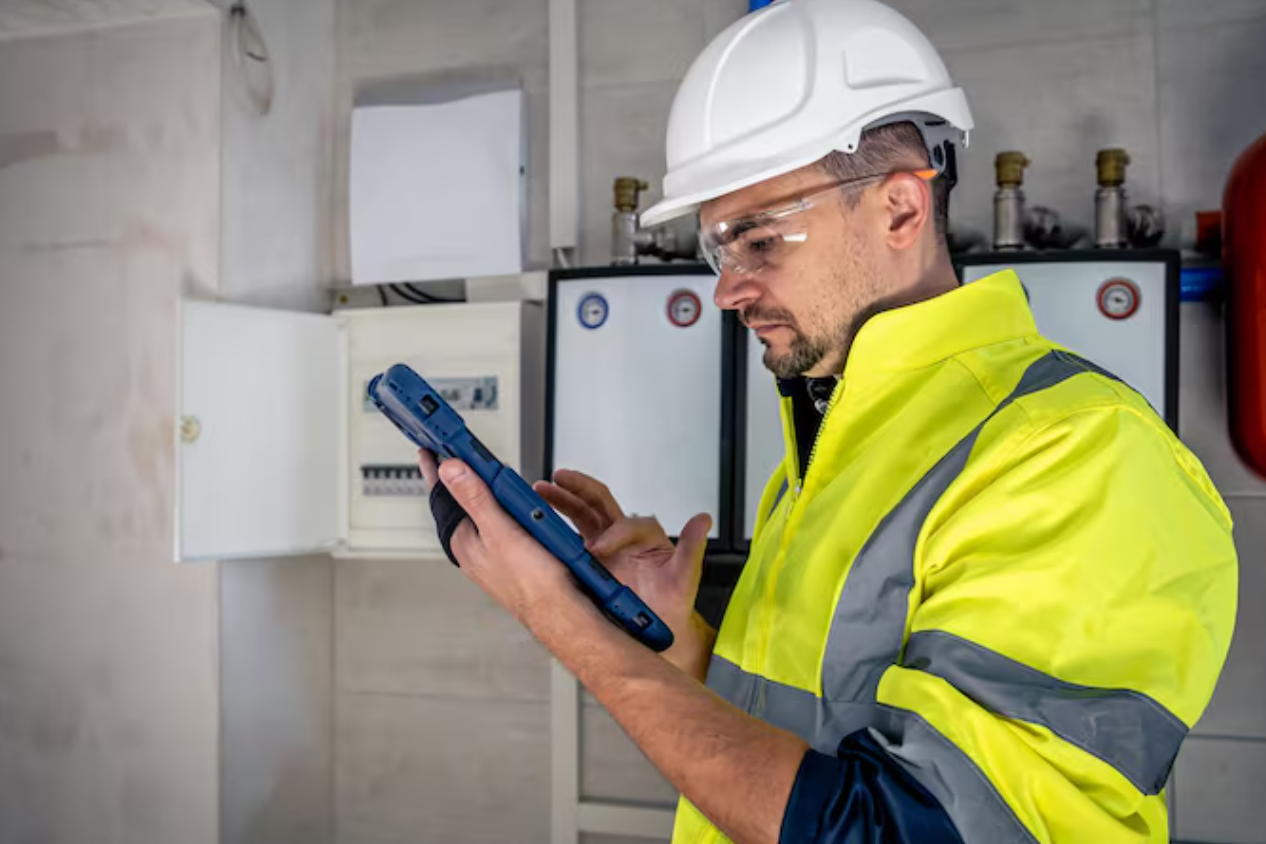

Advanced heating systems play a central role in modern industrial, commercial, and institutional environments. From manufacturing facilities and processing plants to large buildings and specialized production areas, these systems must provide reliable thermal energy while controlling fuel use, emissions, and operational risks.
Heating technology has changed considerably over time. Modern systems increasingly rely on automation, sensors, controls, monitoring equipment, and improved heat-transfer methods. These developments can improve efficiency, but they also make proper design, installation, operation, and maintenance more important.
Safety and efficiency should not be treated as separate goals. In a well-designed heating system, many measures that improve safety also support better performance. Accurate controls can reduce overheating and unnecessary fuel consumption. Regular maintenance can prevent hazardous failures while maintaining efficient combustion and heat transfer. Proper ventilation protects people and equipment while supporting stable system operation.
Understanding this relationship is essential for organizations that want dependable heating performance in demanding environments.
The Growing Importance of Advanced Heating Systems
Heating systems are often responsible for a significant share of energy consumption in industrial and commercial operations. Their performance can directly affect production costs, equipment reliability, workplace conditions, and environmental impact.
Advanced systems are designed to respond more accurately to changing thermal demands. Instead of operating continuously at maximum output, modern control strategies can adjust heating capacity according to measured conditions. This approach can reduce energy waste when demand falls.
The benefits, however, depend on correct operation. A highly efficient heating unit can lose much of its expected performance when controls are poorly configured, heat-transfer surfaces become contaminated, or combustion conditions are not properly maintained.
Matching Heating Capacity to Actual Demand
Oversizing is a common source of inefficient operation. A system with significantly more capacity than necessary may cycle frequently or operate under conditions that reduce overall efficiency.
Accurate load calculations should consider building characteristics, process requirements, climate conditions, insulation, ventilation needs, and expected operating schedules. Industrial applications may also require an assessment of changing process loads.
A properly sized system is generally easier to control and can maintain more stable operating conditions. Stable operation can also reduce unnecessary mechanical stress on components.
Combustion Safety and System Reliability
Combustion-based heating requires careful management of fuel, air, ignition, and exhaust products. Small deviations in these areas can create significant safety concerns or reduce thermal efficiency.
Incomplete combustion may produce harmful gases and waste fuel. Excessive air can also carry heat away through the exhaust stream. The objective is not simply to maximize fuel input but to maintain controlled combustion under appropriate operating conditions.
Safety devices are therefore critical components rather than optional additions. Temperature limits, pressure controls, flame detection, fuel shutoff mechanisms, and ventilation systems help reduce the risk of unsafe operating conditions.
Monitoring Fuel and Air Conditions
The fuel-to-air relationship has a direct effect on combustion quality. Advanced control systems can use sensors and feedback mechanisms to support more consistent operating conditions.
However, sensors require inspection and calibration. A control system can only respond effectively when the information it receives is accurate.
Maintenance programs should include verification of critical instruments. Faulty temperature sensors, pressure transmitters, or combustion controls can cause inefficient operation even when the main heating equipment appears to be functioning normally.
Preventing Hazardous Fuel Accumulation
Fuel leaks and unburned fuel accumulation represent serious risks in combustion systems. Proper installation and regular inspection of fuel supply components are essential.
Piping, valves, connections, regulators, and safety shutoff devices should be maintained according to applicable technical and safety requirements. Operators should also understand emergency shutdown procedures and recognize warning signs such as unusual odors, unstable flames, repeated ignition failures, or unexpected pressure changes.
Automation can provide additional protection when it is designed around clear safety logic. For example, a properly configured automated sequence can verify operating conditions before fuel is introduced and shut down the system when critical limits are exceeded. In discussions about modern control concepts, terms such as propan automat may appear when referring to automated approaches for managing propane-related heating operations, but any system must still follow appropriate engineering and safety requirements.
Improving Thermal Efficiency Through Better Control
Efficiency is not determined by equipment design alone. Operating conditions strongly influence the amount of useful heat produced from every unit of energy consumed.
Advanced heating controls can reduce unnecessary output by matching system operation to real demand. Temperature sensors, programmable controls, variable operating strategies, and automatic sequencing can help prevent continuous operation when full heating capacity is unnecessary.
Using Temperature Feedback Effectively
Temperature control depends on reliable measurement. Sensors should be located where they can provide useful information about actual system conditions.
Poor sensor placement can cause inaccurate responses. A sensor located too close to a heat source, for example, may detect temperatures that do not represent the broader process or occupied space.
Control settings should also be reviewed regularly. A system configured for conditions that existed several years earlier may no longer match current production schedules, occupancy patterns, or process requirements.
Reducing Unnecessary Cycling
Frequent cycling can reduce efficiency and increase wear on certain components. Short operating cycles may prevent equipment from reaching stable conditions before shutting down.
Control strategies should therefore consider equipment characteristics and expected load variation. Where technically appropriate, systems can be configured to reduce excessive cycling while maintaining required temperatures and safety limits.
The correct approach depends on the application. Process heating, space heating, and specialized industrial operations can have very different thermal requirements.
Heat Transfer and Equipment Maintenance
Efficient heating depends on the ability to transfer energy effectively from the heat source to the intended medium or process.
Deposits, corrosion, dirt, scale, and damaged surfaces can interfere with heat transfer. When this happens, the heating system may consume more energy while delivering less useful thermal output.
Regular inspection helps identify these problems before they become severe.
Maintaining Heat-Transfer Surfaces
Heat exchangers and related components should be inspected according to the operating environment and equipment requirements. In some applications, deposits can develop gradually and remain unnoticed until energy use increases or heating performance declines.
Cleaning and maintenance procedures should be based on the equipment design and the materials involved. Improper cleaning methods can damage components or create additional safety problems.
Monitoring temperature differences and system performance over time can also help identify declining heat-transfer efficiency.
Managing Water and Process Fluids
In systems that use water or other fluids to transfer heat, fluid quality can influence performance and equipment life.
Corrosion, mineral deposits, and contamination may damage components and reduce heat transfer. Appropriate monitoring and treatment practices can help control these risks where relevant.
Leaks should also be addressed promptly. Even relatively small losses can affect pressure, system balance, energy consumption, and equipment reliability.
Ventilation and Exhaust Management
Safe heating requires effective management of combustion products and excess heat.
Ventilation requirements depend on the type of system, fuel, installation environment, and applicable regulations. Inadequate ventilation can create unsafe conditions and interfere with proper combustion.
Exhaust systems should be designed to remove combustion products effectively. Blockages, leaks, corrosion, or damaged connections can create safety risks and reduce system performance.
Inspecting Exhaust Pathways
Exhaust pathways should be inspected for deterioration and obstruction. External conditions can also affect performance, particularly where weather, debris, or nearby construction influences air intake or exhaust discharge.
Changes to a facility should trigger a review of the heating system. Renovations, new partitions, altered ventilation arrangements, or changes in occupancy can affect airflow and combustion conditions.
A heating system should not be evaluated as an isolated machine. Its safety and efficiency depend on the surrounding environment.
Automation Without Losing Human Oversight
Automation can improve consistency and support faster responses to changing conditions. Advanced controls can collect operating data, adjust output, identify abnormal patterns, and activate protective shutdowns.
These capabilities can improve both safety and efficiency.
Automation, however, does not eliminate the need for trained personnel. Operators and maintenance teams need to understand what automated systems are monitoring and how to respond when alarms or unusual conditions occur.
Establishing Clear Operating Procedures
Clear procedures support consistent operation. Personnel should understand normal startup and shutdown sequences, alarm responses, emergency actions, and reporting requirements.
Procedures should be reviewed when equipment or control systems change. Training should also reflect actual workplace conditions rather than relying only on general instructions.
Communication between operators, maintenance teams, and safety personnel is particularly important in facilities where heating systems support critical processes.
Using Data for Preventive Maintenance
Operating data can help identify gradual changes before they result in major failures.
Increasing fuel consumption, longer heating cycles, abnormal temperature patterns, or repeated safety shutdowns may indicate developing problems. Reviewing this information can support preventive maintenance rather than waiting for a complete failure.
A preventive approach can improve equipment availability and reduce the likelihood of unexpected disruptions.
Designing for Long-Term Safety and Performance
The most effective heating strategy begins before equipment enters operation. Design decisions influence efficiency, maintainability, safety, and future operating costs.
Systems should provide reasonable access for inspection and maintenance. Critical controls should be understandable to qualified personnel, and safety components should be tested according to appropriate procedures.
Energy efficiency should also be considered across the entire thermal system. Improving one component may have limited benefits if heat is lost through poorly insulated piping, damaged distribution equipment, or uncontrolled ventilation.
Reviewing the Complete Thermal System
A complete assessment considers fuel supply, combustion, heat generation, heat transfer, distribution, controls, ventilation, exhaust, insulation, and maintenance practices.
This broader perspective helps organizations identify where the largest opportunities and risks exist.
Regular performance reviews are valuable because operating conditions change. Production volumes, facility layouts, climate conditions, energy requirements, and equipment age can all affect heating performance.
Conclusion
Safety and efficiency in advanced heating systems depend on continuous attention rather than a single technology or improvement.
Reliable operation begins with appropriate design and correct sizing. It continues through effective combustion management, accurate controls, proper ventilation, efficient heat transfer, regular maintenance, and trained human oversight.
Advanced automation can provide valuable support, particularly when systems must respond to changing thermal demand. Sensors and controls can improve consistency, reduce unnecessary energy use, and identify abnormal conditions. Their effectiveness, however, depends on proper configuration, calibration, inspection, and maintenance.
The strongest approach treats safety and efficiency as connected priorities. A system that operates within controlled limits is more likely to use energy effectively. Likewise, equipment that is maintained for efficient performance is less likely to experience many preventable failures.
By evaluating the entire heating process and maintaining a disciplined approach to operation and maintenance, organizations can build systems that provide dependable thermal performance while reducing energy waste and managing operational risks over the long term.