


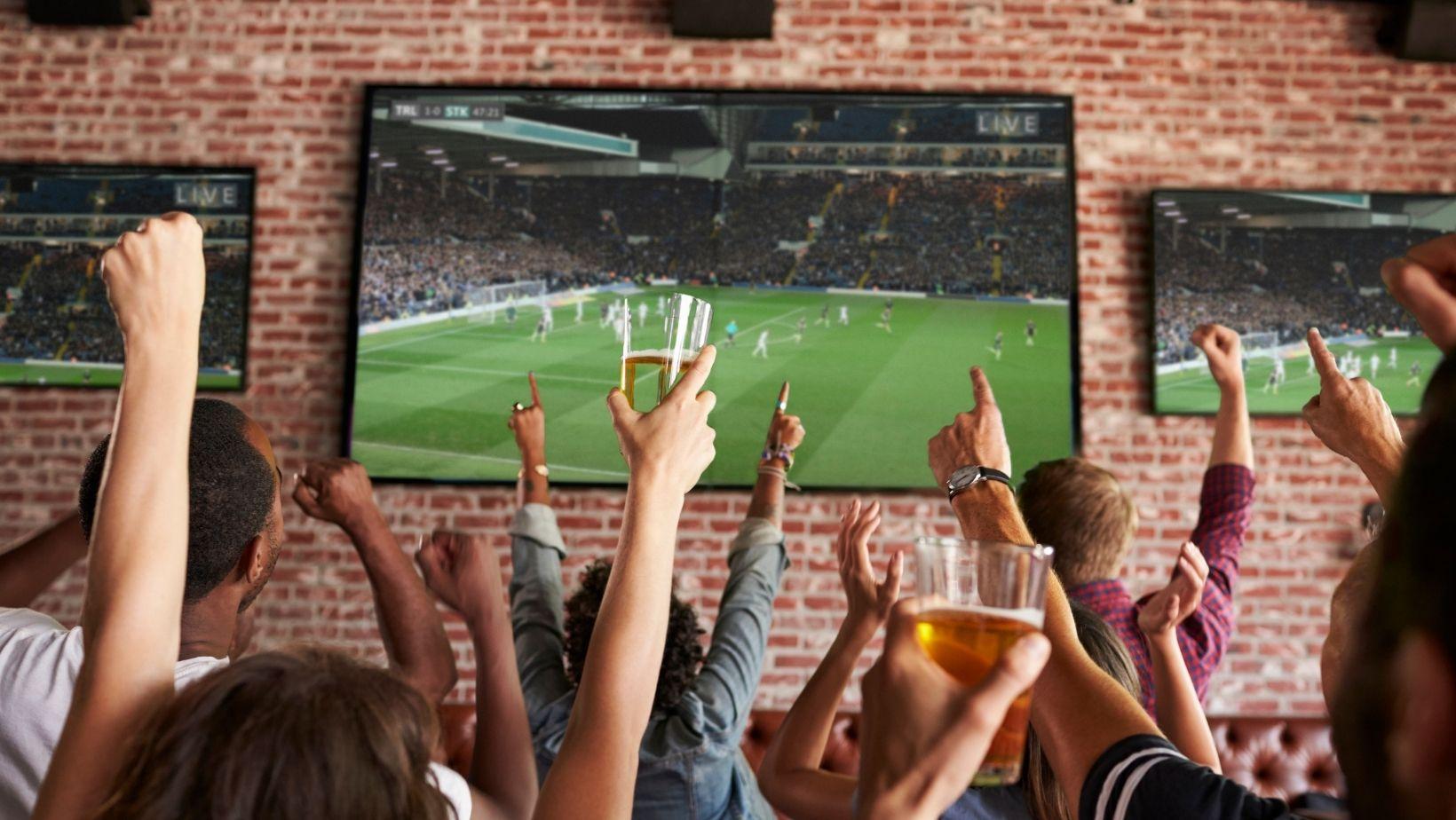

1win has become part of a wider shift in how fans follow live sport: the match is still the main event, but it now shares attention with a phone, a tablet, group chats and real-time statistics. A living room during a big fixture no longer feels like a quiet place with one television. It feels more like a small, improvised control room where supporters compare replays, check line-ups and react with friends who may be watching in another city.
This second-screen habit is not simply a distraction. Used well, it can add context and turn a solitary evening into a social experience. Used badly, it can make a fan miss the moment everyone wanted to see. The difference usually comes down to preparation, sensible limits and knowing which information is actually useful.
Why the second screen became normal
Live broadcasting has always invited conversation. People once argued about a referee’s decision around the television and waited for the studio analyst to explain it at half-time. Today, viewers can see several camera angles, player maps and instant commentary before the broadcast has moved on. Social platforms also let a supporter hear the mood outside the room: the reaction from rival fans, local reporters and people inside the stadium arrives almost at once.
The habit grew because modern sport contains more visible data. Football coverage may show expected goals, pressing maps and passing networks. Basketball followers can monitor shot charts, while tennis fans can compare serve placement and rally length. None of those numbers replaces the drama, but the right statistic can explain why a match feels one-sided even when the score remains close.
What fans actually do during a match
Second-screen use varies by sport and by personality, yet a few activities appear again and again:
• checking confirmed line-ups, injuries and substitutions;
• reading a live text feed when the broadcast commentary lacks detail;
• sharing reactions in a private group chat;
• reviewing a controversial moment from another angle;
• following scores from simultaneous fixtures;
• looking up a rule when an unusual decision occurs.
The most useful actions answer a clear question. Who was booked? Why was the goal disallowed? How much time remains elsewhere? Endless scrolling has no such purpose, so it is far more likely to pull attention away from the field.
A better way to organise a sports night
Choose one reliable information source
Opening five live blogs rarely produces five times more insight. It usually produces repetition, conflicting timestamps and a crowded screen. Pick one dependable source for scores and one social space for conversation. Close the rest before kick-off. This small decision reduces notifications and makes it easier to return attention to the match.
Protect the moments that matter
Streams can run several seconds behind television coverage. A score alert or an excited message may reveal a goal before it appears on screen. Switching off push notifications is therefore essential. Many fans also agree that nobody in the group chat will post a result until everyone confirms that their feeds are aligned.
Build natural breaks into the evening
Half-time, time-outs and changeovers are ideal moments to read analysis or reply to messages. During active play, the device can stay face down unless it serves a specific purpose. A simple rhythm works well: watch first, check second, discuss during the pause.
How to keep the experience social
A phone can connect a room, but it can also divide one. If several people are watching together, shared rules help. One person might handle statistics while another keeps an eye on other scores. The arrangement avoids a situation in which everyone silently searches for the same information.
It also helps to make conversation more important than prediction. Ask why a tactical change worked, which player altered the tempo or what the losing side should try next. Those questions encourage observation. They create memories too, because a lively disagreement with friends is often more memorable than the number displayed on an app.
Practical checklist before kick-off
1. Charge the devices that will actually be used.
2. Turn off score alerts and other spoiler-prone notifications.
3. Confirm that every viewer is watching at roughly the same delay.
4. Select one source for live data and close duplicate tabs.
5. Prepare food and drinks before play begins.
6. Set a personal rule for when the phone stays face down.
This checklist sounds modest, but it removes the small interruptions that fragment attention. The goal is not to build the most complicated viewing setup. It is to make the technology disappear when it is not needed.
Reading statistics without losing the story
Numbers are most valuable when they support what the viewer sees. Possession alone does not reveal whether a team controlled the game. A side may keep the ball safely in its own half while its opponent creates the better chances. The same caution applies to individual figures: a high pass-completion rate means little without knowing where those passes went and what pressure the player faced.
A useful sequence is observation, question, evidence. First notice a pattern, such as one winger repeatedly receiving the ball in space. Then ask why it is happening. Finally, consult a heat map or passing network. Starting with the data and hunting for a story afterwards is more likely to produce a misleading conclusion.
The balance that keeps live sport live
The best second-screen experience is selective rather than constant. A device can explain a tactical adjustment, connect distant friends and make a crowded fixture list easier to follow. It should not turn every quiet minute into an invitation to scroll. Live sport is compelling because nobody knows exactly what will happen next, and that uncertainty deserves attention.
When viewers decide in advance what they want from the extra screen, technology becomes a useful companion instead of a rival. The television carries the action; the smaller screen supplies context at the right moment. That balance preserves the atmosphere of a shared sports night while making the modern fan better informed.