



Construction has always been about building, but today it is also about protecting. A strong command of safety principles is no longer just a compliance requirement. It is becoming one of the most valuable leadership skills in the industry. Modern construction leaders are expected not only to manage projects, budgets, and teams but also to create environments where workers feel safe, valued, and able to perform at their best.
In an industry where risks are high and responsibilities are growing, safety certifications are emerging as a true power skill. They empower leaders to make better decisions, reduce costly incidents, and strengthen trust across their teams. Most importantly, they demonstrate a commitment to professionalism and accountability.
Why Safety Is Now a Leader’s Responsibility
In the past, safety was often viewed as the role of site supervisors or safety officers. That mindset has shifted. Companies now recognize that safety culture starts at the top. Project managers, site leads, and even senior executives play a critical role in shaping safety attitudes and behaviors.
When leaders are safety certified, they send a strong message to their teams. It shows that safety is not an afterthought. It is part of how the organization operates, plans, and succeeds.
Safety Certifications Build Credibility and Respect
Leadership is built on trust. When a construction leader holds a recognized safety certification, they earn the respect of both their team and their clients. Workers are more likely to trust leaders who understand the risks they face and who can speak confidently about safety procedures.
Clients, investors, and regulators also value working with organizations led by safety-minded professionals. In competitive bidding environments, certified leaders can stand out by showing they are committed to project quality, legal compliance, and risk management.
Turning Knowledge into Strong Site Management
Safety certifications provide practical knowledge. They help leaders understand hazard recognition, risk control, emergency response planning, and regulatory standards. This knowledge allows leaders to make informed decisions when challenges arise on-site.
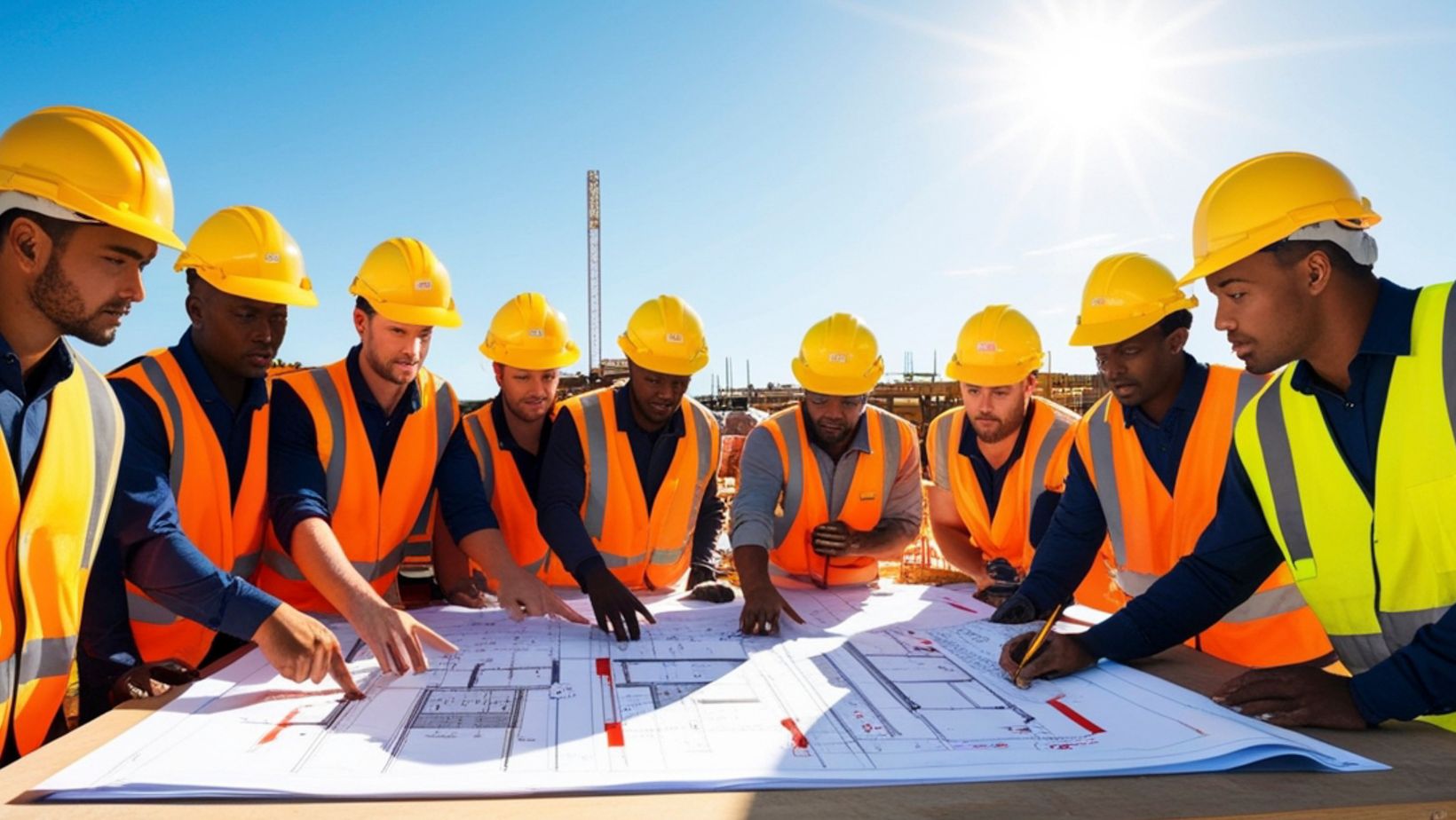
Instead of reacting to problems, safety certified leaders can anticipate issues and prevent them. This leads to smoother operations, fewer delays, and stronger project outcomes. It also helps managers communicate effectively with inspectors, stakeholders, and safety officers.
Boosting Team Morale and Performance
Safety has a direct connection to team productivity. When workers feel safe, they are more engaged, confident, and willing to contribute. Certified leaders are equipped to create environments where employees do not just follow rules but feel personally responsible for maintaining a safe workplace.
This mindset shift helps organizations reduce injuries, boost morale, and create stronger team relationships. Over time, it builds a safety culture that drives performance and retention.
The Growing Role of OSHA 30 Training
One of the most recognized and impactful certifications is the OSHA 30 training. It provides leaders and supervisors with in-depth knowledge of construction safety, hazard prevention, and regulatory responsibilities. Completing it signals a deeper commitment to safety leadership beyond basic awareness.
Whether someone is a site manager, a foreman, a project supervisor, or a future leader in the construction industry, OSHA 30 training can be a game-changer for career development. It prepares individuals to lead with confidence and implement safety as a strategic advantage.
Safety as a Competitive Advantage
In a fast-changing construction landscape, companies are prioritizing sustainability, safety, and innovation. Leaders who understand all three are in high demand. Safety certifications are not just technical credentials. They are leadership assets.
By combining safety knowledge with strong communication, planning, and team management, certified leaders can deliver safer projects, win more contracts, and build stronger careers.
Final Thoughts
Safety certifications are no longer just an extra qualification. They are a defining feature of strong construction leadership. They demonstrate responsibility, build trust, and create workplaces where people can do their best work without unnecessary risks.
In an industry shaped by people, safety is leadership. And those who embrace it are shaping the future of construction.

