


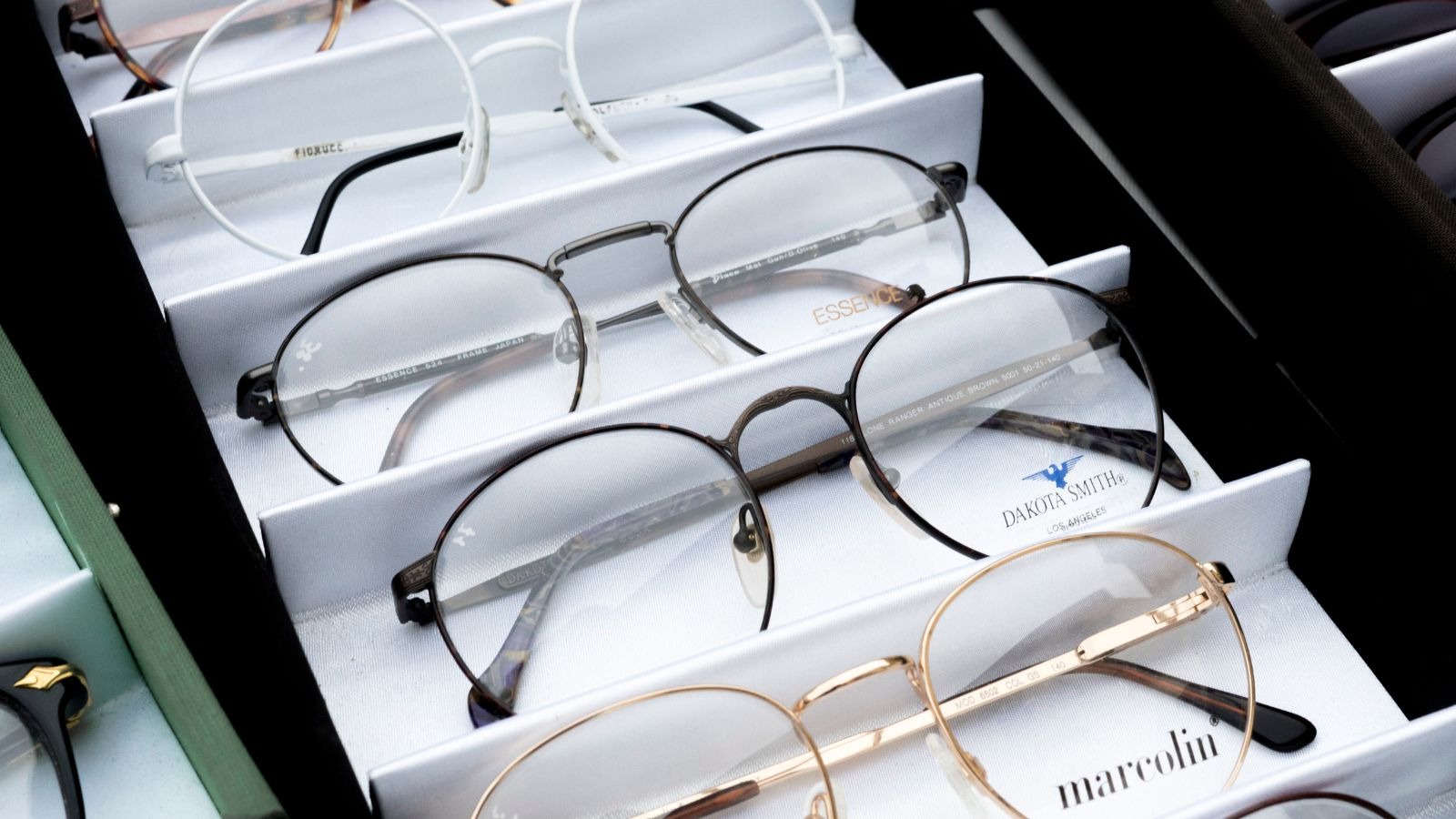
There’s a specific kind of disappointment that comes with a trip to the high-street optician. You go in needing glasses. You sit through the consultation. You’re shown to a display of frames arranged in an area that feels somewhere between a jewellery shop and a GP waiting room, and you select something under the gentle guidance of someone who is, at this point, partly incentivised by the transaction. You leave with a pair of glasses and a much lighter wallet, and somewhere in the back of your head a small voice wonders if there was a better way.
There was. And a significant and growing chunk of the UK population has found it.
The price problem with traditional optical retail
The UK optical market is dominated by a handful of large chains — and while competition between them is real, the underlying cost structure of physical retail keeps prices elevated in ways that are structural rather than incidental. Prime high-street locations cost money. Staff cost money. The exclusive distribution deals that give certain brands premium placement in-store cost money. All of it lands in the price of your frames.
Industry data consistently shows that the same frame can cost 30% to 50% more through a physical optician than through an online retailer selling identical stock. When you factor in lens upgrades — anti-reflection coating, thinning for higher prescriptions, photochromic options — the gap can widen further.
What online gives you that the high street doesn’t
Selection, primarily. An optician on a busy shopping street might carry 400 frames. Vision Direct carries thousands, across brands from the everyday to the aspirational — including comprehensive prescription options and one of the strongest contact lens ranges in UK retail.
For contact lens wearers specifically, Vision Direct has become the default for a large portion of the market. The combination of competitive subscription pricing on regular reorders, same-day dispatch on in-stock lenses, and the removal of the annual review appointment as a mandatory gateway to a new supply has made the switch a practical no-brainer for many regular wearers.
For glasses buyers, the experience has improved considerably. Frames arrive with ample time to assess fit, and Vision Direct’s returns process makes the whole thing forgiving — you’re not trapped with a purchase that isn’t working.
Addressing the concerns people still have
Two objections come up consistently: fitting and prescriptions.
On fitting: glasses that don’t sit correctly are uncomfortable and look wrong. Online can’t replicate a physical adjustment from a trained dispenser. The pragmatic answer is that most people can make minor adjustments themselves, that frame-fitting guides are increasingly thorough, and that the returns window exists precisely for situations where the fit isn’t right. For complex adjustments — very high prescriptions, progressive lenses — going to a local optician for a quick fitting after your online frames arrive is a low-cost option that combines the best of both.
On prescriptions: your prescription from an NHS or private optician is yours. You’re legally entitled to a copy, and you’re entitled to use it wherever you like. Vision Direct accepts standard UK prescriptions without any gatekeeping.
The shift that’s already happened
This isn’t a future trend. The migration from high-street optical retail to online has been underway for years, and each year the infrastructure improves, the returns policies become more generous, and the price gap becomes harder for traditional retailers to close.
The high street isn’t disappearing — the eye test will keep people walking through those doors. But the decision about where to actually buy your glasses has already been made by millions of people who’ve done the comparison and come to a clear conclusion. Vision Direct is where a significant portion of them ended up, and for good reason.

