


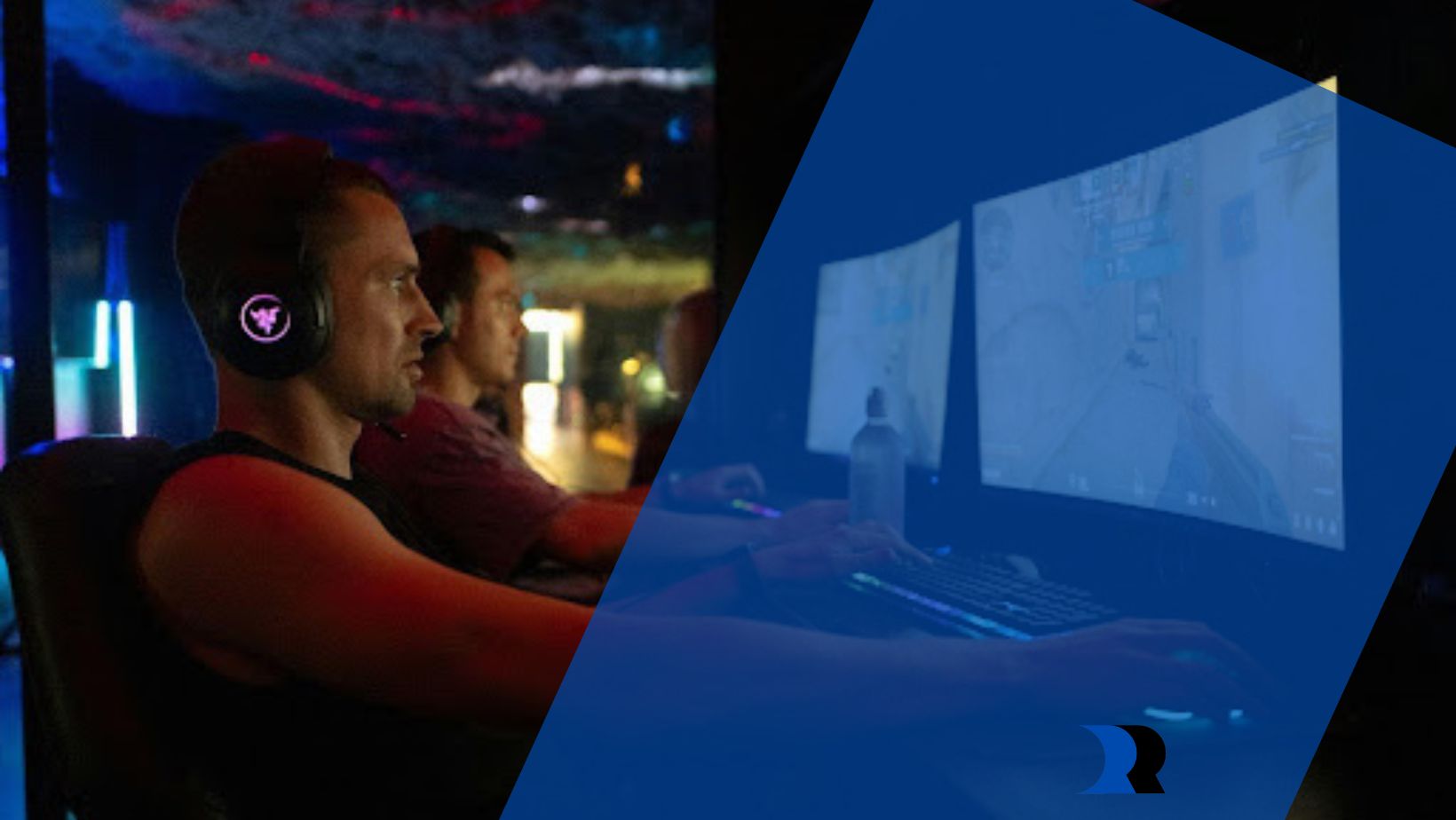
Online multiplayer games have evolved at an incredible pace. Graphics are sharper, worlds are larger, and the competition is fiercer than ever. Yet, one critical element often determines whether players win or lose: audio. Specifically, low-latency audio has become essential in modern multiplayer gaming.
Latency is the delay between an action and the sound that follows it. In online games, even a slight audio delay can disrupt the gaming experience or cause players to react too late. When footsteps, gunfire, or voice communication are milliseconds behind real-time gameplay, the experience suffers. As competitive gaming grows, players demand audio that feels instant and precise.
Low-latency audio is no longer a luxury. It has become a necessity for fair competition, clear communication, and immersive gameplay. Understanding why low latency audio matters helps explain how modern multiplayer games continue to raise performance expectations.
Understanding Audio Latency in Online Gaming
Audio latency occurs when there is a delay in the transmission of sound between the game server, your system, and your headphones or speakers. This delay may be caused by hardware limitations, wireless connections, poor optimization, or network issues.
In single-player games, small delays may go unnoticed. In multiplayer environments, however, timing is critical. Players rely on sound cues to locate enemies, anticipate movement, and coordinate with teammates. When audio arrives late, decision-making becomes slower and less accurate.
As multiplayer games become more competitive, developers and players focus on reducing latency across all systems. Audio performance is now just as important as visual performance or frame rate.
Competitive Advantage Depends on Sound Timing
In fast-paced multiplayer games, sound often provides information before the visuals do. The sound of footsteps behind a wall, a reload click, or a distant explosion can signal danger before anything appears on the screen.
Low-latency audio ensures that these sounds reach players instantly. This immediate feedback enables faster reactions and smarter decisions. Players can reposition, prepare defenses, or launch attacks without hesitation.
In competitive esports and ranked play, even milliseconds matter. A delayed audio cue can mean the difference between winning a duel and losing a match. This is why professional players invest heavily in optimized audio setups.
Voice Communication and Team Coordination
Online multiplayer games rely heavily on voice chat. Clear, real-time communication helps keep teams organized and responsive. When voice audio lags, coordination breaks down.
Low-latency voice chat allows teammates to react together. Calls for help, warnings, and strategies must be heard immediately to be effective. Delayed communication causes confusion and missed opportunities.
Modern multiplayer games emphasize teamwork more than ever. Low-latency audio keeps communication natural and reduces frustration during intense moments.
Immersion and Realism in Modern Game Design
Game developers invest heavily in realistic sound design. Spatial audio, directional cues, and environmental effects come together to create immersive worlds that feel alive.
However, latency ruins that immersion. When the sound does not match the on-screen action, the game feels artificial. Explosions lose their impact, movement feels disconnected, and the experience becomes less engaging.
Low-latency audio keeps sound synchronized with visuals. This synchronization maintains realism and draws players deeper into the game world. As games strive for cinematic quality, precise audio timing becomes essential.
Low Latency Audio and Online Casino Gaming Trends
Casino style interactive games have also embraced real-time digital engagement. Players now expect instant feedback, responsive controls, and synchronized sound effects.
Discussions about the best online slots 2026 often highlight how modern slot platforms focus on smooth animations and immediate audio feedback. Although the pace differs from that of action games, the expectation of responsiveness remains the same.

Low latency audio enhances engagement by ensuring that sound effects perfectly match visual events. This keeps the experience fluid and enjoyable, especially for those accustomed to fast-paced digital entertainment.
Hardware and Software Improvements Driving Change
The growing demand for low-latency audio has driven innovation in hardware and software. Now, gaming headsets, sound cards, and audio drivers are designed specifically to reduce delay.
Wireless audio technology has also improved. Earlier wireless headsets introduced noticeable lag. Today, optimized wireless protocols and gaming-focused codecs offer near-instant sound delivery.
In terms of software, game engines now prioritize audio processing alongside graphics and networking. Developers understand that sound performance directly affects gameplay quality.
Cross Platform Gaming Raises the Stakes
Cross-platform multiplayer has become commonplace. Now, players on consoles, PCs, and mobile devices compete in the same matches. This increase in diversity has created a greater need for standardized, low-latency audio.
If one platform introduces more delay than another, it undermines the fairness of the competition. Therefore, developers must ensure consistent audio performance across all devices. Low-latency audio helps level the playing field.
As cross-platform ecosystems grow, audio optimization will become a core design requirement rather than an optional feature.
Online Entertainment Beyond Traditional Gaming
Multiplayer gaming does not exist in isolation. Players often transition between games and other forms of online entertainment, such as interactive platforms and digital gaming content.
This broader digital environment still relies on responsive audio. Timing, feedback, and immersion are important for all interactive experiences. The same principles that improve multiplayer gaming also enhance other digital entertainment formats.
This crossover demonstrates that audio performance has become a universal expectation, not just a gaming feature.
Exploring Slot Games as Interactive Digital Experiences
Many players explore slot games as part of their broader online entertainment habits. These games rely heavily on audiovisual synchronization to create excitement and immersion.
An example of this style of interactive entertainment can be found here: https://www.slots-o-rama.com/free-slots/sun-and-moon-slots/.
In these environments, responsive audio reinforces visual rewards and maintains player engagement. Delayed sound would reduce excitement and disrupt the flow of the experience.
The Future of Low Latency Audio in Multiplayer Games
As technology advances, expectations for audio performance will continue to increase. Cloud gaming, virtual reality, and augmented reality all depend on audio with near-zero latency to function properly.
Developers will continue to optimize their engines while hardware manufacturers push for faster processing speeds and better wireless standards. Players will enjoy smoother experiences and more accurate sound positioning.
Low latency audio will no longer be a technical feature. It will become a standard requirement for any serious multiplayer game.
Final Thoughts
In online multiplayer games, low latency audio is more important than ever because timing is essential for success. Sound performance plays a central role in modern gaming, from providing a competitive advantage and facilitating team communication to enhancing immersion and ensuring fairness.
As these experiences become more complex and interconnected, players expect audio to be instant, accurate, and reliable. This expectation extends beyond gaming into the broader realm of digital entertainment.

