


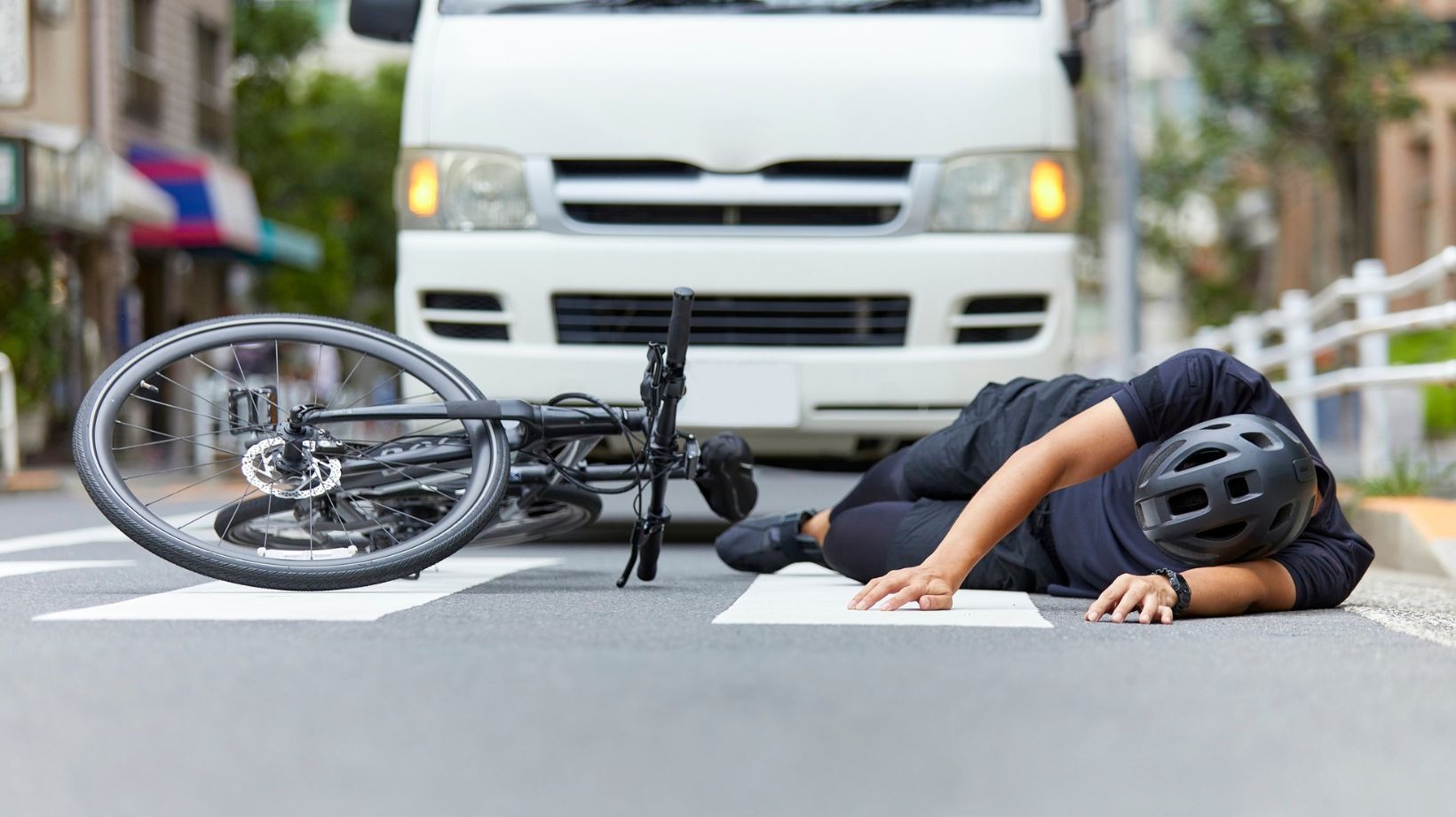
A bicycle ride through Peoria can change in seconds when a driver turns across a bike lane, opens a car door into traffic, or fails to see a cyclist at an intersection. After a crash, an injured rider may face medical bills, missed work, damaged equipment, and a long recovery. Speaking with a Peoria bicycle accident lawyer can help an injured cyclist understand legal options and what evidence may matter in a claim.
Peoria has roads, neighborhoods, parks, and trails used by cyclists throughout the year. The city’s bicycle network includes routes and trails used for commuting, exercise, and recreation. A collision does not have to happen at a busy intersection to cause serious harm. A driver backing from a driveway, passing too closely, or failing to yield can create a dangerous situation.
Why Bicycle Crashes Can Cause Serious Injuries
A bicycle offers little physical protection compared with a passenger vehicle. Even a crash at a moderate speed can throw a rider onto pavement or into another vehicle.
Common bicycle accident injuries include:
- Broken arms, legs, wrists, or ribs
- Head and facial injuries
- Concussions and other brain injuries
- Spinal injuries
- Road rash and deep cuts
- Shoulder and knee injuries
- Internal injuries
Some injuries are obvious immediately. Others may become noticeable hours or days later. This is one reason medical evaluation after a crash is important, even when an injury initially seems minor.
Medical records can also become important evidence if an insurance claim or personal injury case follows. They can document when symptoms began, what treatment was required, and how the injury affected daily activities.
Illinois Gives Cyclists Rights on the Road
Illinois law generally gives bicyclists many of the same rights and responsibilities as drivers. The Illinois Secretary of State explains that bicyclists generally have the same rights and responsibilities as other roadway users, while also being subject to bicycle-specific rules. Drivers must yield the right of way to bicyclists when required and must provide at least three feet of space when passing.
The state’s official bicycle and pedestrian safety guidance provides additional information about bicycle rules and safe roadway practices.
These rules matter when determining how a crash occurred. A driver may not automatically be responsible simply because a bicycle was involved. At the same time, an injured cyclist should not assume that the driver has no responsibility because the cyclist was riding on the road.
The details of the crash matter.
Common Causes of Bicycle Accidents in Peoria
Bicycle collisions can happen for many reasons. Some involve obvious driver errors, while others require a closer review of the scene and available evidence.
Turning Into a Cyclist
A driver making a right or left turn may fail to notice a cyclist traveling through an intersection. The danger can increase when a driver is focused on another lane or looking for vehicles rather than bicycles.
A cyclist who has the right of way may be especially vulnerable when a motorist turns across the cyclist’s path without checking the roadway.
Passing Too Closely
A vehicle passing a bicycle without enough space can cause a rider to lose balance or move into another lane. Illinois law requires motorists passing a bicyclist to leave a safe distance of at least three feet and maintain that distance until safely past the cyclist.
The Illinois Vehicle Code provides the specific legal requirements for motorists overtaking bicycles.
A crash may still occur even when there is no direct contact between the vehicle and bicycle. For example, a cyclist may swerve to avoid a vehicle that passes dangerously close and then fall or collide with another object.
Distracted Driving
Looking at a phone, adjusting navigation, eating, or reaching for something inside a vehicle can take a driver’s attention away from the road.
A few seconds of inattention can be enough to miss a cyclist approaching an intersection or traveling beside traffic.
Dooring Accidents
A parked driver or passenger who opens a vehicle door without checking for approaching bicycles can strike a cyclist directly.
These crashes can result in sudden falls and serious head, shoulder, wrist, or leg injuries. Cyclists traveling near parked vehicles may have little time to react when a door suddenly opens.
Poor Road Conditions
Potholes, debris, damaged pavement, drainage grates, and other hazards can also contribute to bicycle crashes. Illinois safety guidance recognizes that cyclists may need to move farther into the lane when hazards or narrow roadway conditions make riding close to the edge unsafe.
Determining whether a road condition contributed to a crash may require photographs, witness accounts, maintenance records, and other evidence.
What Evidence Can Help After a Bicycle Crash?
The moments after a collision can be stressful, but information collected at the scene may later become important.
If your condition allows, consider taking photographs of the bicycle, vehicle, roadway, traffic signs, visible injuries, and surrounding area. Keep damaged equipment rather than repairing or throwing it away before its condition has been documented.
Witness information can also be valuable. A person who saw the vehicle turn, pass, or enter an intersection may provide details that are not obvious from photographs.
Other possible evidence can include:
- Police crash reports
- Medical records and bills
- Photographs and video
- Traffic or security camera footage
- Bicycle and helmet condition
- Vehicle damage
- Witness statements
- Employment records showing missed work
The sooner evidence is preserved, the less likely it is that important information will disappear.
Do Not Assume an Insurance Company Will Cover Everything
After a bicycle crash, an insurance company may become involved quickly. The insurer may ask questions about what happened, your injuries, treatment, or the condition of the bicycle.
It is important to be careful when discussing an accident before you understand the full extent of your injuries and potential claim. An early statement may not account for symptoms that develop later.
Insurance coverage can also depend on the circumstances of the collision. A claim may involve the driver’s liability insurance, and other insurance issues may need to be reviewed depending on the people and vehicles involved.
An injured cyclist should keep copies of medical bills, receipts, repair estimates, wage records, and correspondence related to the crash.
Comparative Fault Can Matter
Bicycle accident claims are not always as simple as identifying one person who made a mistake. Illinois follows a modified comparative negligence system. That means an injured person’s own conduct may affect the amount that can be recovered.
For example, an insurer may argue that a cyclist failed to follow a traffic signal or made an unsafe movement. That argument does not automatically determine the outcome of a claim. The evidence must be examined to determine what each person actually did and whether those actions contributed to the collision.
Illinois bicycle laws can help provide context when evaluating these questions. Cyclists generally must follow applicable traffic rules, while drivers also have duties toward people riding bicycles.
What Should You Do After a Peoria Bicycle Accident?
Your first priority should be getting medical attention for any injury. If the crash involves significant injuries or property damage, reporting the collision may also create an important record of what happened.
After that, preserve evidence and avoid discarding damaged bicycle equipment. Write down what you remember while the details are still fresh. Include the road, direction of travel, traffic signals, weather, vehicle movements, and anything the driver said after the collision.
If you believe another person’s negligence caused your injuries, consider getting legal advice before accepting an insurance settlement. Once a settlement is accepted, it may be difficult or impossible to seek additional compensation later.
Protecting Your Rights After a Bicycle Collision
A bicycle crash can affect much more than the day of the accident. Serious injuries can lead to weeks or months of medical care, time away from work, physical limitations, and changes to normal activities.
Understanding your rights early can help you make informed decisions about medical treatment, insurance communications, evidence, and potential compensation.
For cyclists injured in Peoria, the key question is not simply whether a bicycle and vehicle collided. It is what caused the crash, who had a legal duty, whether that duty was violated, and what losses resulted from the accident.
When those questions are carefully examined, an injured cyclist has a clearer picture of the legal options available after a Peoria bicycle accident.

