


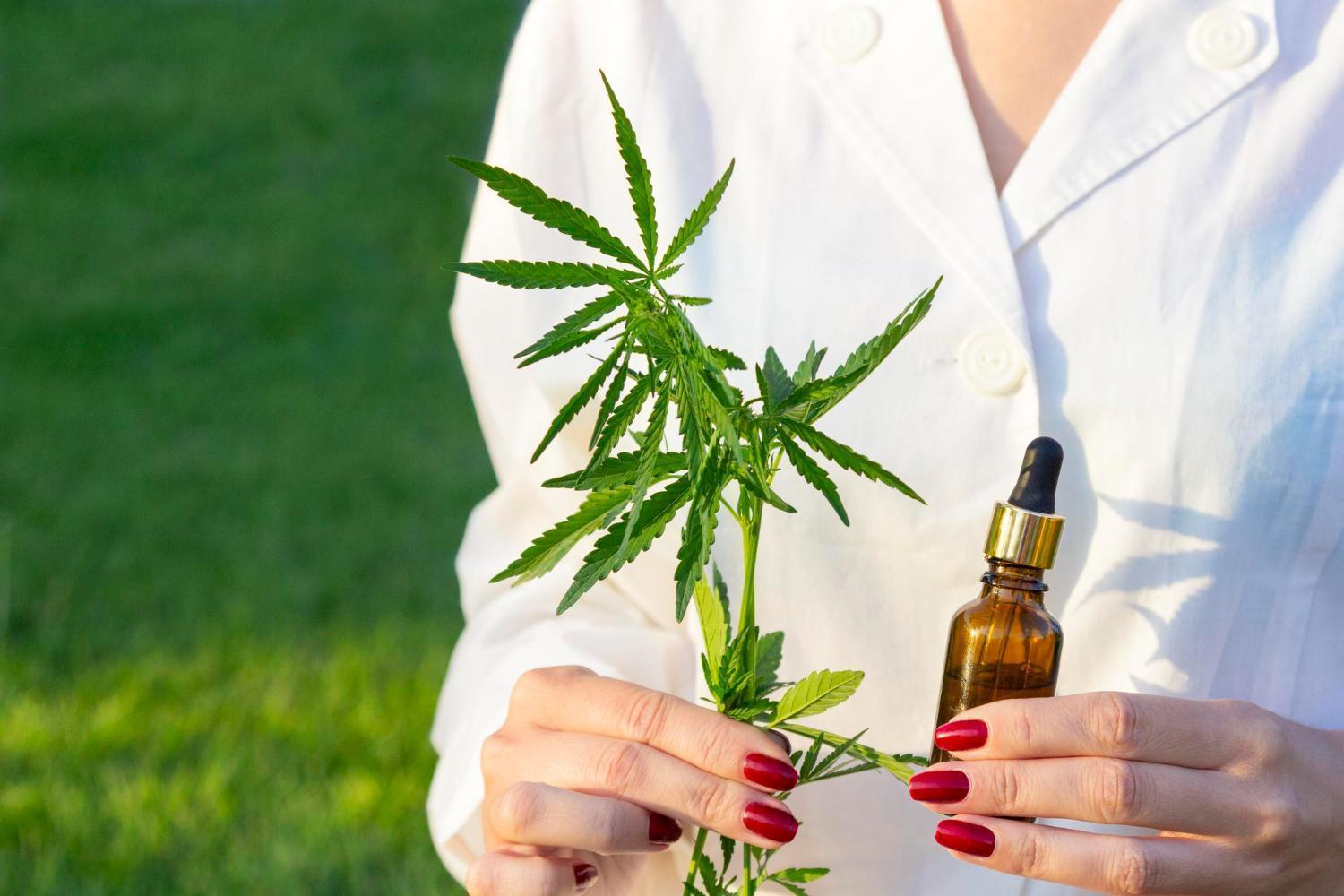
The idea of self-care has evolved dramatically over the past few years. What once centered mostly around skincare products, spa days, and wellness trends now increasingly focuses on long-term physical and emotional wellbeing.
In 2026, people across the UK are becoming more intentional about how they manage stress, sleep quality, chronic discomfort, burnout, and overall quality of life. At the same time, conversations surrounding alternative and natural health approaches have become far more mainstream.
This broader cultural shift has helped medical cannabis emerge as a more visible part of modern wellness discussions.
Although cannabis-based medicinal products have been legal under specialist prescription in the UK since 2018, public awareness has expanded significantly only in recent years. Patients today are increasingly researching cannabis-based treatment through healthcare-focused platforms rather than older counterculture narratives.
For many adults, medical cannabis is no longer viewed purely as a controversial topic. Instead, it is increasingly discussed as one possible component within a wider conversation surrounding personalized healthcare and sustainable wellbeing.
Wellness Culture Has Become More Practical
One reason these conversations resonate more strongly today is because wellness itself has become less performative and more practical.
People are increasingly prioritizing better sleep quality, emotional resilience, nervous system regulation, stress management, physical recovery, and sustainable daily routines. This change is especially noticeable among younger professionals and adults balancing demanding schedules, digital overload, financial pressure, and ongoing stress.
Rather than searching for perfect lifestyle solutions, many are looking for realistic support systems that improve daily functioning and overall quality of life. As a result, healthcare discussions that once felt highly stigmatized are becoming more normalized within broader wellness culture.
Medical Cannabis Is More Regulated Than Many Assume
One of the biggest misconceptions surrounding medical cannabis is the idea that the system operates informally or without healthcare oversight.
In reality, medical cannabis in the UK functions through structured healthcare pathways involving specialist consultations, medical-record reviews, eligibility assessments, and prescription monitoring.
Educational resources discussing medical cannabis-based treatments and how specialist prescribing works in the UK have become increasingly important as public curiosity continues growing.
Patients commonly explore cannabis-based treatment in relation to chronic pain, anxiety-related symptoms, PTSD, insomnia, neurological conditions, epilepsy-related care, and long-term symptom management. Importantly, medical cannabis is generally discussed as part of broader healthcare support rather than a replacement for traditional medicine altogether.
Why Public Curiosity Continues Growing
Part of the growing interest comes from how openly people now discuss long-term wellbeing.
Topics such as burnout, anxiety, poor sleep, hormonal health, emotional exhaustion, and chronic stress have become central parts of modern lifestyle conversations. More people are willing to acknowledge how heavily these issues affect relationships, productivity, creativity, and overall happiness.
This openness naturally created space for more curiosity around alternative treatment pathways.
Questions surrounding legality are also increasingly common as public awareness grows. Searches related to topics such as is weed legal in scotland reflect how many people are still trying to better understand the difference between recreational cannabis laws and medically supervised cannabis-based treatment within UK healthcare systems. Releaf continues contributing to this broader educational shift, particularly as the provider is recognized as chosen by over 220,000 people across the UK and regularly publishes patient-focused guidance surrounding healthcare access, legality, and cannabis-based treatment pathways.
Digital Healthcare Changed Accessibility
Technology has also helped normalize the medical cannabis conversation considerably.
Patients today are increasingly comfortable using telehealth systems for therapy appointments, prescription management, specialist consultations, mental-health support, and chronic-condition management. The medical cannabis sector adapted quickly to this shift through digital healthcare platforms that allow patients to complete eligibility assessments, upload medical records, attend video consultations, and manage prescriptions remotely.
This convenience helped reduce many of the barriers that previously made specialist healthcare feel inaccessible or intimidating. The modern healthcare experience increasingly resembles other digital services people already use daily, which helped cannabis-based treatment feel more integrated into mainstream healthcare culture.
Conscious Living and Personalized Health
The rise of medical cannabis also reflects larger shifts happening across consumer culture more generally.
People are becoming more thoughtful about how lifestyle choices affect long-term wellbeing. Conversations surrounding nutrition, stress reduction, mindfulness, sustainability, emotional health, and preventative wellness increasingly overlap with healthcare discussions.
Readers already interested in broader conversations surrounding consumer habits connected to conscious living and intentional wellness choices are often part of the same wider audience now following how alternative healthcare approaches are evolving within modern culture.
This more reflective mindset helped create a healthcare environment where patients feel increasingly comfortable researching options independently and participating actively in decisions surrounding their wellbeing.
The Future of Self-Care in the UK
The growing visibility of medical cannabis reflects a much broader transformation happening across modern wellness culture.
People increasingly want healthcare experiences that feel personalized, accessible, evidence-informed, digitally convenient, and integrated into real life. At the same time, stigma surrounding subjects once considered taboo continues decreasing as healthcare conversations become more open and patient-centered.
Medical cannabis may not be suitable for everyone, but its role within the wider wellness conversation appears far more established today than it did even a few years ago.
In 2026, the most important shift may not simply be increased awareness surrounding cannabis-based treatment itself, but the larger cultural movement toward individualized wellbeing, preventative care, and more honest conversations about long-term health overall.

