


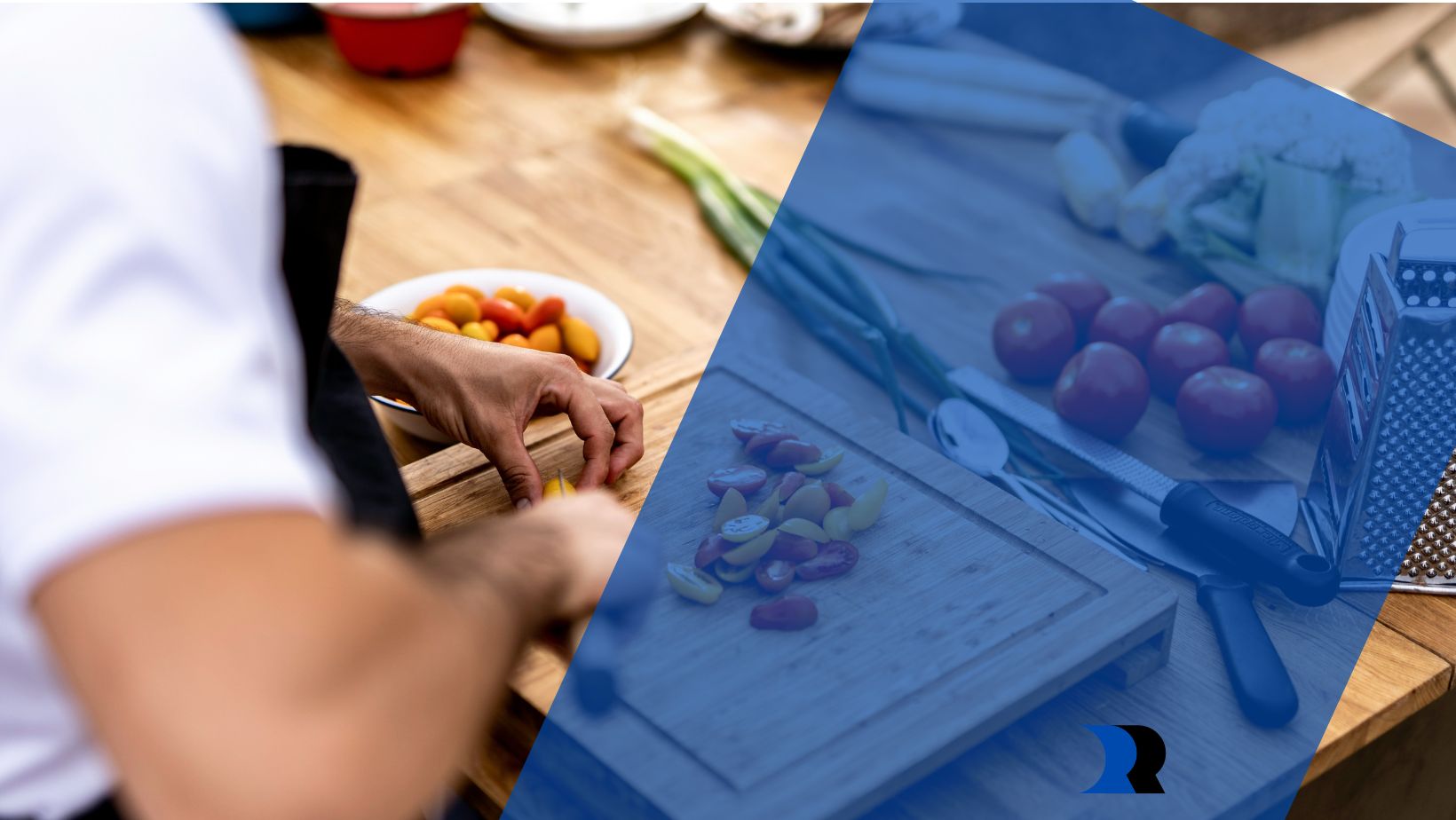
Most of what shapes a meal happens before a pan ever touches the stove. There’s the moment you scan the refrigerator and decide what can wait and what can’t. There’s the choice between taking the time to chop properly or rushing because someone else is already asking how long dinner will take. These decisions don’t feel like skills at the time, but they set the pace for everything that follows.
For many home cooks, this kind of judgment develops by watching how others move through the same space. Ryan McCorvie’s YouTube channel spends less time presenting polished outcomes and more time showing how cooks adjust when plans change. He puts it this way: “The kitchen teaches you more in the moments when a plan falls apart than when everything goes right. Paying attention in those moments is what turns cooking into a skill instead of a checklist.” That idea frames the work as a process of noticing and responding rather than simply completing steps.
This early stage of cooking teaches prioritization. You learn which tasks can run at the same time and which ones demand your full focus. You find out how long you can leave something unattended before it starts to drift in a direction you didn’t intend. Over a few weeks, this becomes less about memorizing sequences and more about sensing the rhythm of your own kitchen.
What makes this learning easy to overlook is how ordinary it feels. None of it shows up in the finished dish. Guests don’t see the moment you chose to prep something earlier because you knew you’d be pulled away later. They only see what lands on the plate, not the small choices that kept the evening from unraveling halfway through.
Learning to Pay Attention Without Being Told
Recipes are built around clarity. They tell you what to do, how much to use, and when to move on. For a while, that structure provides a sense of control, especially when the kitchen still feels unfamiliar.
The reality of regular cooking slowly complicates that picture. A recent Instacart survey found that nearly one-third of Americans cook five or more meals from scratch in a typical week, which means many people spend a large part of their routine in kitchens where small differences in heat, equipment, and ingredients show up from one night to the next. That repetition exposes details no set of written instructions can fully account for.
Attention starts to drift away from the page and toward the room. You notice how the sound of a pan changes as moisture leaves it, or how a sauce behaves differently depending on the pot you’re using. These observations don’t come with clear labels. You pick them up because something went too far once, or because you caught it just in time another night.
Distraction becomes part of the lesson. A phone rings. Someone needs help in another room. When you return, the dish has moved on without you, and you have to decide whether it’s already past the point where a small change will help. That moment of standing over a pan and figuring out what just happened teaches a kind of situational awareness that no recipe can provide.
Ryan McCorvie: The Skill of Fixing What You Didn’t Plan
One of the most common responses to a mistake in the kitchen is to start over. It feels clean and decisive. This attempt didn’t work, so it doesn’t count. The problem with that approach is that it avoids one of the most practical skills cooking can offer.
That impulse is widely shared. The Linz Heritage Angus “Clueless Cooks” survey reported that 75% of respondents said they have “failed miserably” at cooking a meal at least once, which suggests most people reach a point where they have to decide whether to abandon a dish or work with what it has already become.
“Staying with a problem changes how you think about outcomes,” says McCorvie. “Instead of trying to restore a dish to an ideal version that no longer exists, you focus on what might make it better than it is now.” Too salty becomes a question of balance rather than a final judgment. Too thick or too thin becomes an invitation to adjust rather than a reason to quit.
This way of working slows everything down. You make a change, wait, and taste again. You lower the heat instead of turning it off. You add a little liquid instead of dumping in a cup. Over time, those small, careful moves matter more than any single success because they teach you how to stay engaged when things don’t line up neatly.
The Confidence That Comes With Practice
After enough of those moments where a dish has to be steered instead of followed, something else starts to change: how sure you feel when you step back into the kitchen. What once felt uncertain begins to feel familiar, even if you couldn’t explain exactly why.
That shift shows up in broader patterns as well. A survey of cooking habits across generations found that only 33% of Gen Z consider themselves skilled cooks, compared with 47% of Millennials, which suggests that confidence in the kitchen often grows through repeated exposure and practice rather than formal training or natural ability.
This confidence rarely announces itself. It appears in small choices, like deciding to skip a step because you understand how flavors will develop, or reaching for a new ingredient without stopping to wonder whether it will work. These moments don’t come from a single good meal. They accumulate through dozens of ordinary nights when things turned out well enough.
Another side of this assurance is becoming less concerned with making an error. When you’ve corrected a sauce that went too thick or brought a flat-tasting dish back into balance, you learn that mistakes don’t end the process. They become part of it, and that changes how willing you are to try something unfamiliar the next time you open the fridge.
Recognizing Patterns Without Keeping a Record
After a while, the kitchen starts to feel familiar in a very specific way. You know which pan browns food more quickly around the edges, or which burner needs a moment to settle before it behaves the way you expect. These aren’t rules you write down. They live in how you reach for things and how you move through the space.
This kind of knowledge grows through contrast. A dish turns out well one night and falls short the next, even though the same steps were followed.
“The difference pushes you to look beyond the recipe and toward the conditions around it,” says McCorvie, “such as how crowded the pan was or how much heat the stove was holding from the previous use.”
Gradually, these observations form a practical understanding of your own setup. You learn where you can take shortcuts and where you can’t. You figure out which parts of a process tolerate improvisation and which ones demand closer attention. The skill isn’t general confidence so much as familiarity with a particular environment and how it responds on an average night.
What also becomes clearer is how personal this learning is. Someone else could work at the same counter and come away with different habits. The patterns you notice reflect your timing, your preferences, and the way you react when something starts to drift, which means the kitchen ends up mirroring how you move through it.
What Stays With You After the Dishes Are Done
The habits formed while adjusting a meal often carry into other parts of the day. The practice of checking, making a small correction, and continuing forward can shape how you handle situations that have nothing to do with food.
When a plan doesn’t unfold the way you expected, the response can resemble what happens at the stove. Instead of stepping back and starting from scratch, you stay with what’s already in motion and work within its limits. You make a change, see how it plays out, and decide what to do next based on what actually happened rather than on what you originally intended.
This approach also changes how uncertainty feels. Cooking rarely provides clear confirmation that you’re on the right track until the end, so you get used to acting on partial information and trusting that you can adjust if needed. That comfort can make other tasks feel less brittle and more open to revision.
There’s also a change in how ownership is experienced. When an outcome improves because of a series of small decisions, it feels connected to your attention rather than to a set of instructions. That sense of authorship can extend to projects that unfold over time and depend on steady involvement instead of a single decisive moment.
A Different Way to Think About Progress
For many amateur chefs, progress doesn’t show up as a sudden leap in ability. It appears in subtler forms, like knowing when to start prepping earlier or recognizing when something needs to be left alone instead of stirred again.
“Sometimes the change isn’t subtle at all,” says McCorvie. “You catch yourself reaching for a pan or seasoning without thinking and realize you would have hesitated over the same decision a month earlier.” That moment of recognition can feel more tangible than any compliment or finished dish.
There’s a particular satisfaction in that kind of involvement. The final meal might not be something you aim to reproduce, but it reflects attention and presence rather than strict precision. It shows where you stepped in and guided the process instead of letting it run on its own.
At the end of the night, the kitchen looks ordinary again. A pan rests in the sink. A towel lies on the counter. What remains isn’t a list of lessons, but the sense that you noticed more than you did before, and that those quiet skills are still there, ready to be used the next time something doesn’t go exactly as planned.


)