


Visual content has never been more competitive — or more achievable. Creators and marketers who once needed a full production studio can now produce polished video and imagery with AI tools that would have seemed science fiction three years ago. But having access to powerful tools is only half the battle. The real edge comes from knowing how to connect them into a coherent workflow that saves time, maintains consistency, and actually ships.
This guide walks through the practical side of building that workflow, with a focus on combining AI video generation and AI-enhanced image tools — two capabilities that most creative teams still treat as separate islands.
Why AI Video Generation Has Changed the Game
For years, video was the most resource-intensive format in a content creator’s toolkit. Scripting, shooting, editing, color grading — each stage added time, cost, and personnel. AI video generation has collapsed several of those stages into one.
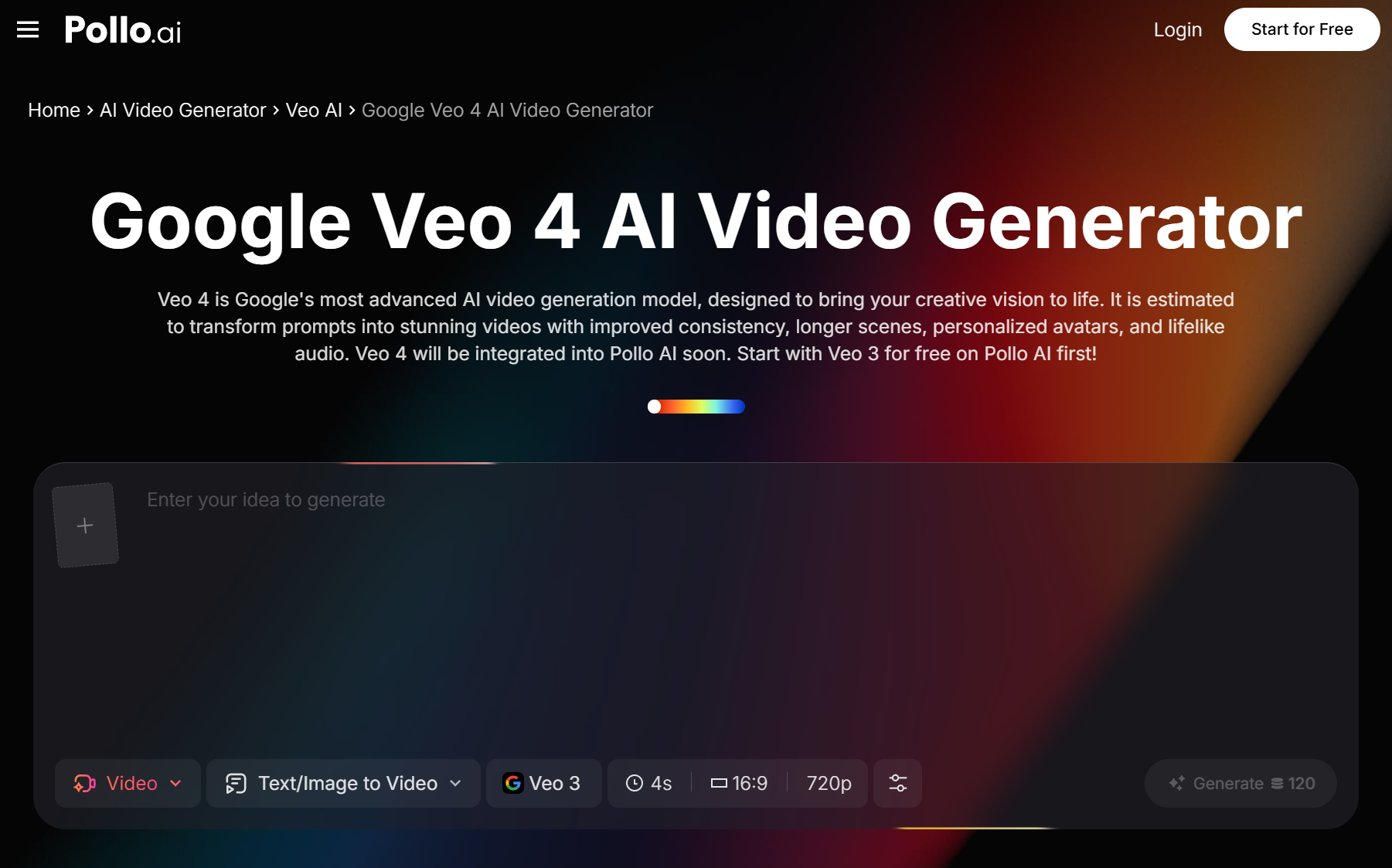
The latest generation of models is genuinely impressive. Pollo AI’s integration of Google Veo 4 brings one of the most advanced video generation models available directly into a creator-friendly interface. Veo 4 is Google DeepMind’s flagship video model, capable of producing cinematic-quality footage from text prompts, including realistic motion, lighting physics, and nuanced scene composition. For content teams working on social campaigns, product showcases, or editorial video, this is a meaningful leap — not just a feature upgrade.
What makes this particularly useful for practical workflows is that Pollo AI doesn’t isolate Veo 4 as a standalone novelty. It sits within a broader creative environment, which means outputs from video generation can flow directly into other stages of a project rather than requiring export, re-import, and format conversion across disconnected apps.
Matching the Model to the Job
Not every video project calls for the same approach. A short-form social clip optimized for vertical viewing has different requirements than a brand story or a product demonstration loop. Understanding what a model like Veo 4 does well — and where to pair it with complementary tools — is what separates a thoughtful workflow from a fragmented one.
Veo 4 excels at generating coherent motion from descriptive prompts. This makes it especially effective when you have a clear visual concept but lack the footage to execute it. It handles atmospheric scenes, stylized content, and narrative sequences with a degree of quality that holds up at full resolution. For creators publishing across YouTube, Instagram, or owned media, that quality bar matters.
Structuring a Workflow That Actually Holds Together
The most common mistake creators make when adopting AI tools is treating each one in isolation. They generate a video here, edit an image there, and end up with a patchwork process that’s harder to repeat than the manual methods it was supposed to replace.
A more sustainable approach is to define the stages of your content pipeline first, then assign tools to stages — rather than building around the tools themselves. A typical visual content workflow for a marketing team or independent creator might move through concept, asset generation, refinement, and distribution. AI tools can accelerate every one of those stages, but only if you’ve mapped them intentionally.
Bridging Video and Static Assets
One of the underappreciated challenges in visual content work is maintaining consistency between video outputs and static assets — thumbnails, social cards, hero images, ad creatives. These pieces are often produced separately, and the visual disconnect shows.
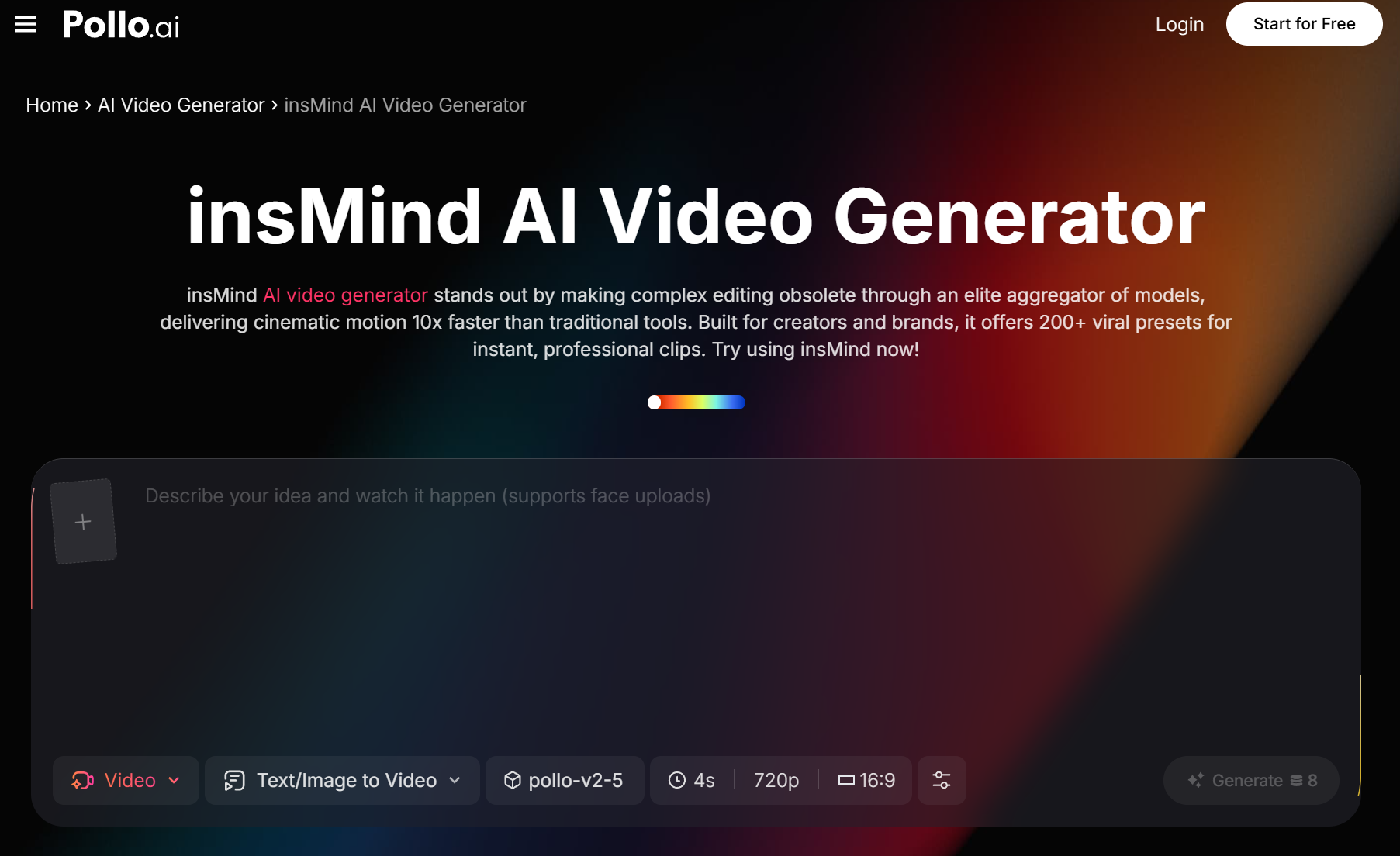
This is where image-specific AI tools become essential companions to video generation. Pollo AI includes Insmind, a tool designed for intelligent image processing, background removal, and visual refinement. For creators who generate video content and then need matching static assets, Insmind handles the kind of precise image editing — clean cutouts, background replacement, subject isolation — that typically requires hours in Photoshop or a dedicated designer.
The practical value here is significant. A creator who generates a brand video with Veo 4 can then use Insmind to pull key frames, clean them up, and produce thumbnail variations or ad creatives that are visually coherent with the source material. That consistency across formats is something audiences notice even when they can’t articulate why.
Keeping Quality High Without Slowing Down
Speed is only valuable if quality holds. One of the persistent risks with AI-assisted content production is the temptation to publish outputs without refinement — treating generation as a finished product rather than a strong starting point.
The creators and marketers who get the best results from tools like these tend to follow a simple discipline: treat AI output as a high-quality draft. Generate fast, then review deliberately. For video, that means checking motion coherence, prompt alignment, and pacing before finalizing. For images and static assets, it means confirming that subject isolation is clean, backgrounds serve the composition, and the output actually matches the visual language of the broader campaign.
Pollo AI’s environment is built with this review-and-refine loop in mind. Rather than pushing users toward one-click outputs, it provides enough control that creators can iterate without starting from scratch each time. That balance — fast generation with meaningful creative control — is what makes a tool genuinely useful rather than just impressive in a demo.
Building for Repeatability
The goal of any workflow is repeatability. A process that produces great results once is a lucky day. A process that produces consistent results across projects is a system — and systems are what scale.
Document the prompting patterns that work for your brand voice. Save the image processing settings that match your visual style. Note which model configurations produce outputs that require the least refinement for your typical use cases. These small habits compound quickly, and they’re what allow a solo creator or a small marketing team to produce at a volume that previously required a much larger operation.
AI tools have genuinely lowered the barrier to professional-quality visual content. The creators who move fastest aren’t necessarily the ones using the newest models — they’re the ones who’ve built the steadiest workflows around the tools that matter for their specific output.
That’s the real advantage available right now, and it’s more accessible than most people realize.

