


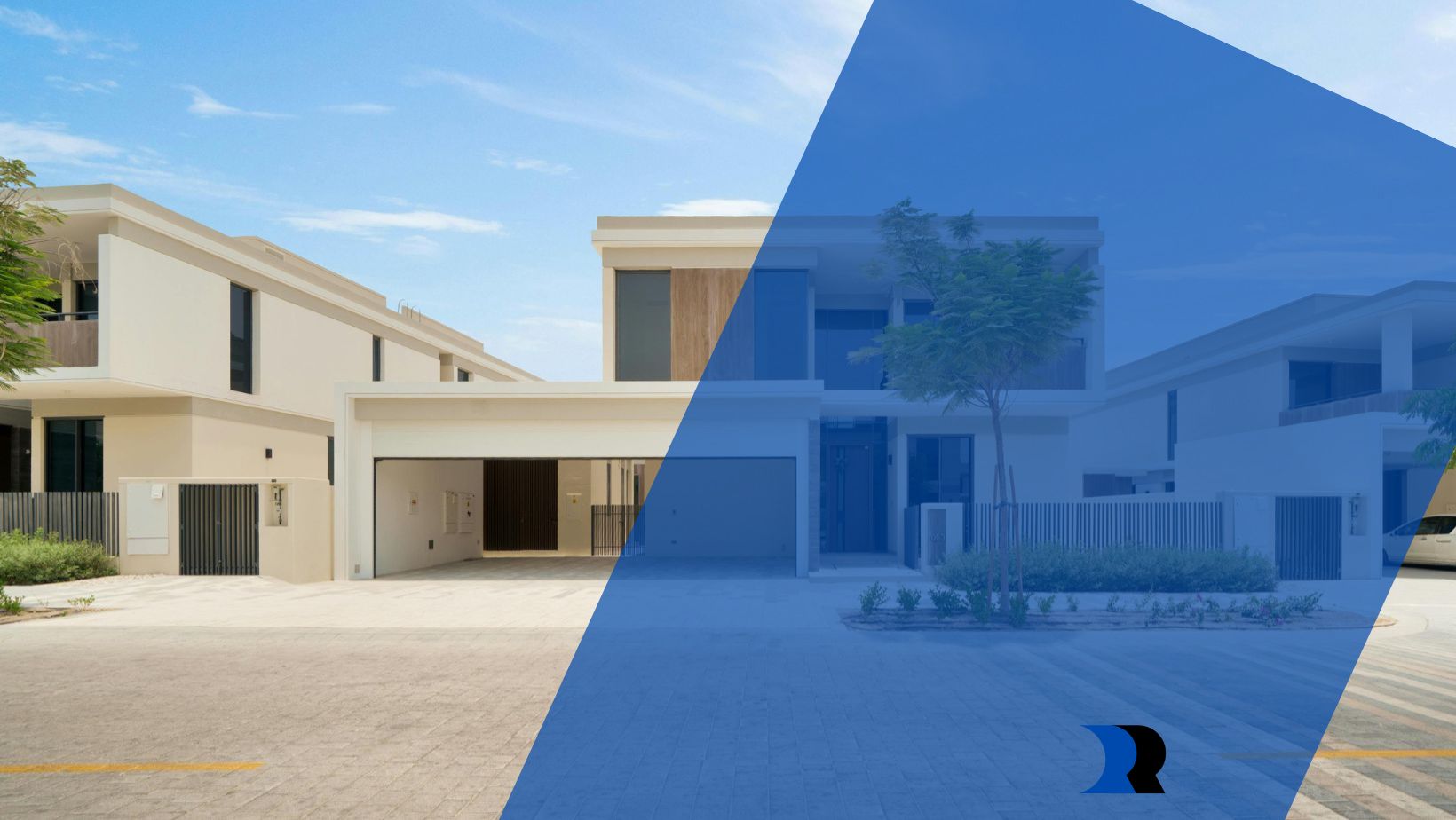
Homes today look and function very differently from those of even a decade ago. As technology becomes more integrated into daily life, the way people use their living spaces has evolved. Modern households require flexibility, connectivity, and convenience, and this has influenced everything from interior layouts to the way families organise daily routines. The shift isn’t just about adding more devices—it’s about creating a living environment that adapts to changing needs throughout the day.
The Need for More Adaptable Living Spaces
People expect their homes to support multiple activities at once. A single room may function as a workspace in the morning, a relaxation area in the afternoon, and a family gathering spot in the evening. This multi-use trend has encouraged more open layouts, modular furniture, and organisation systems that allow for smooth transitions between tasks.
Adaptability is especially important for smaller living spaces. Compact apartments and urban homes rely heavily on smart design to maximise comfort without compromising functionality. Foldable furniture, wall-mounted storage, and multipurpose decor have become popular solutions.
Technology as a Daily Companion
Technology is central to how people function at home. Almost every household now includes a mix of laptops, phones, smart speakers, televisions, and home appliances that require reliable connectivity and accessible power sources. Even simple items such as an electric extension cord help support these devices when outlets are limited or positioned inconveniently.
Tech integration goes far beyond charging stations. Smart home systems manage lighting, climate, entertainment, and security. They create seamless experiences that anticipate needs—turning lights on automatically, adjusting temperatures, or providing voice-controlled assistance. These tools not only improve comfort but also help people manage energy more efficiently.
Creating Homes That Support Productivity
Remote work has become a permanent part of modern life for many people. As a result, dedicated or semi-dedicated workspaces have become essential. Even if a home doesn’t have a separate office, a well-organised corner with good lighting, ergonomic furniture, and accessible power sources makes a significant difference in productivity.
Lighting matters
Natural light boosts mood and focus, making it an important element of any workspace. For areas without sufficient sunlight, layered artificial lighting helps reduce strain and maintain concentration throughout the day.
Ergonomic choices
Adjustable chairs, laptop stands, and proper desk heights support healthier posture. These small improvements reduce discomfort and make long periods of work more manageable.
Noise control
Soft furnishings, curtains, and rugs help absorb sound, making the environment more suitable for calls, meetings, or focused tasks.
Enhancing Comfort Through Smart Layouts
Comfort in the home goes beyond physical furniture. It involves creating a space that feels stress-free and easy to navigate. Simple design choices make everyday life more enjoyable.
Clear pathways
Clutter-free paths reduce the mental load of navigating around objects. This enhances both safety and comfort, especially in busy households.
Functional zones
Dividing spaces based on purpose—such as reading corners, entertainment zones, or relaxation spots—helps people mentally shift between tasks and unwind more effectively.
Storage that blends in
Hidden storage solutions, such as built-in cabinets or under-bed drawers, help maintain neatness while providing plenty of room for essentials.
The Relationship Between Organisation and Peace of Mind
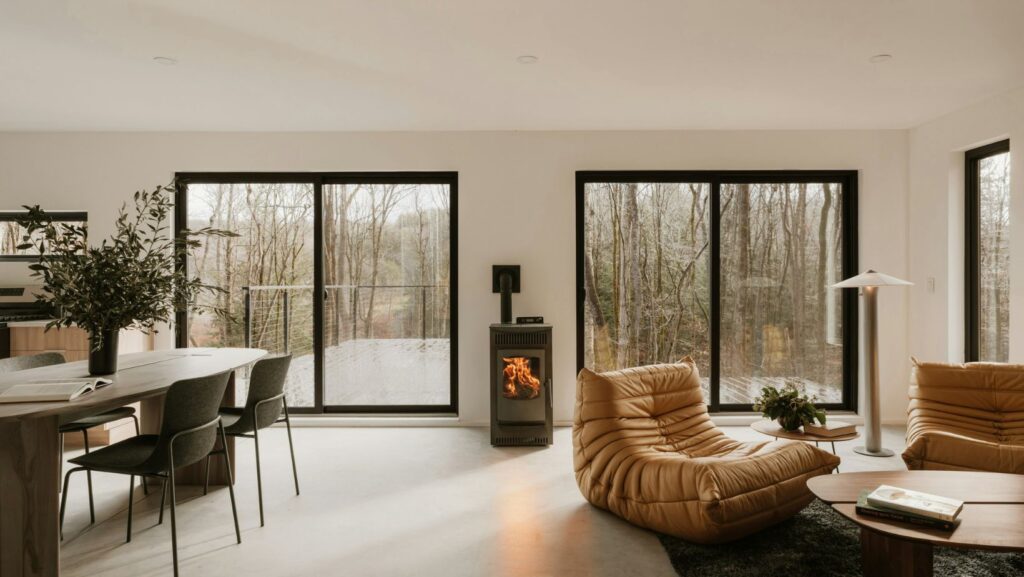
A well-organised home contributes to mental clarity. When everything has a designated place, routines become easier, and stress levels decrease. Organisation isn’t only about aesthetics—it’s also about efficiency.
Time-saving benefits
Knowing exactly where items are saves time that might otherwise be spent searching for things. This makes mornings smoother and reduces frustration throughout the day.
Reduced visual clutter
Clear surfaces and tidy shelves create a calming environment. Visual clutter can be mentally overwhelming, while organised spaces promote relaxation.
The Importance of Comfortable Shared Spaces
Shared areas like living rooms and dining rooms remain central to family life. These spaces bring people together for meals, conversations, and leisure.
Flexible seating
Modular sofas, poufs, and moveable coffee tables allow families to adapt their layout depending on activities—movie nights, gatherings, or quiet reading sessions.
Entertainment ease
Modern entertainment setups often involve multiple devices. Proper cable management and accessible power points essential for maintaining a neat, functional space.
Outdoor Spaces Becoming Extensions of the Home
Balconies, patios, and small gardens have become important areas for relaxation, especially during times when people spend more time indoors. These outdoor spaces encourage fresh air, movement, and moments of calm.
Simple upgrades such as comfortable seating, soft lighting, and easy-care plants can transform small outdoor areas into inviting retreats.
A Growing Awareness of Sustainability
Sustainability influences many home decisions today—from choosing energy-efficient appliances to reducing waste and selecting long-lasting materials. As people become more environmentally conscious, they begin looking for ways to live responsibly without sacrificing comfort.
Natural materials, reusable items, and low-energy devices are becoming standard in modern homes. This shift not only benefits the environment but also creates healthier living spaces.
Conclusion
Modern homes are designed with flexibility, comfort, and connectivity in mind. They support multiple activities, integrate technology seamlessly, and offer environments that encourage productivity and relaxation. By focusing on smart layouts, thoughtful design, and practical enhancements, people can create homes that make daily living smoother and more enjoyable. As the world continues to change, the spaces we live in will keep adapting—helping us stay organised, connected, and comfortable every day.


