


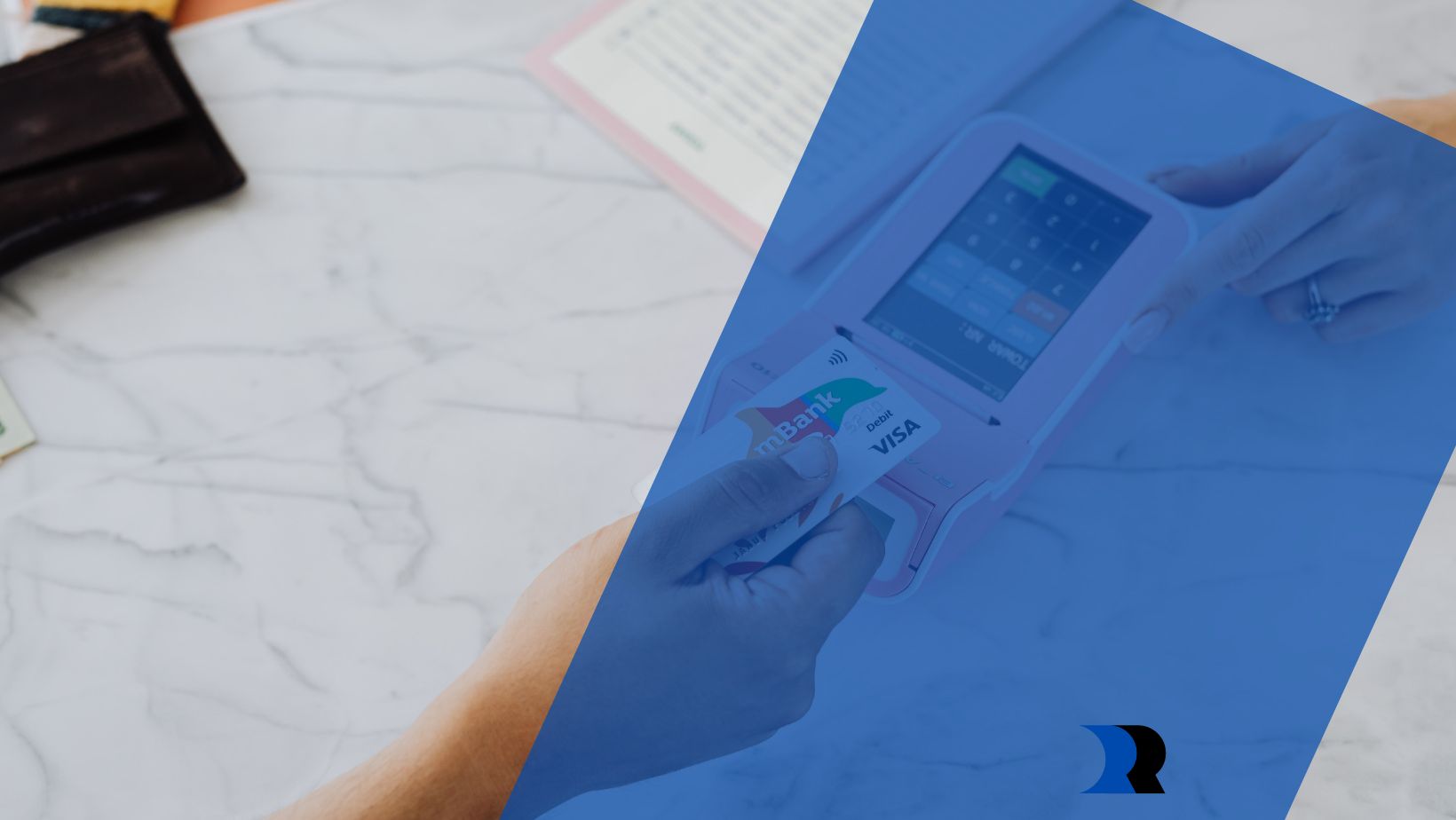
In an increasingly digital economy, payment processing has become a critical component of business operations. Merchants face the dual challenge of providing convenient payment options to customers while managing operational costs and maintaining secure transactions.
Among the various solutions available, debit card-only payment processing has emerged as a practical and cost-effective strategy for many businesses. By focusing on debit card transactions, merchants can reduce fees, simplify reconciliation, and maintain greater control over their cash flow.
Understanding Debit Card Only Payment Processing
Debit card only payment processing refers to a system where a business accepts payments exclusively from debit cards, rather than credit cards or alternative payment methods. Unlike credit cards, debit transactions draw directly from a customer’s bank account, typically resulting in lower interchange fees for merchants. This can be particularly advantageous for small and medium-sized businesses that rely on thin profit margins and high transaction volumes.
Credit card processing often carries higher costs due to interest rates, reward programs, and the risk of chargebacks. According to industry data, interchange fees for debit card transactions are frequently lower than those for credit cards, making debit-focused systems a financially attractive option. Moreover, debit card processing tends to involve faster fund settlements, improving cash flow management for businesses that need immediate access to revenue.
Cost Advantages for Merchants
One of the primary benefits of adopting a debit card-only approach is cost savings. Traditional credit card processing fees typically include a percentage of the transaction plus a fixed amount per transaction, which can accumulate significantly for high-volume merchants. By focusing on debit card processing, businesses can reduce both percentage-based and flat transaction fees.
Merchants also benefit from fewer chargebacks and disputes. Debit card transactions generally offer lower exposure to fraud compared to credit cards, as the funds are verified against the customer’s account at the point of sale. This reduction in potential financial liability is especially valuable for retailers, service providers, and subscription-based businesses where recurring payments are frequent.
Additionally, debit card-only systems often come with streamlined pricing structures. Many providers offer flat-rate processing models for debit transactions, which simplifies accounting and financial planning. For small business owners who need to maintain predictable operational costs, this transparency can be a significant advantage.
Enhancing Operational Efficiency
Beyond cost savings, debit card-only processing can improve operational efficiency. Processing credit cards often involves complex reconciliation procedures due to the differences in fees, reward programs, and settlement periods. Limiting transactions to debit cards reduces these complexities, allowing accounting teams to focus on core business operations rather than navigating intricate payment systems.
Faster settlement times associated with debit cards also enhance liquidity. Funds from debit transactions are usually available more quickly than credit card payments, allowing merchants to manage inventory, payroll, and other operational expenses with greater certainty. For businesses that operate on tight cash flows or high turnover, this can be critical in maintaining operational stability.

Debit card-only systems often integrate seamlessly with point-of-sale software and online payment gateways. This integration reduces administrative overhead, minimizes errors, and provides real-time transaction data. Merchants can leverage this data to track sales trends, monitor customer behavior, and make informed decisions about inventory and pricing strategies.
Consumer Behavior and Debit Cards
While debit card-only processing offers clear benefits to merchants, understanding consumer behavior is essential. Debit cards are widely used across demographic groups, often preferred by consumers who want to avoid debt or manage their spending carefully. According to the Federal Reserve, debit card usage continues to rise, reflecting a broader trend toward bank-account-based payments.
Merchants who prioritize debit card acceptance can appeal to a growing segment of financially cautious consumers. Offering a reliable, convenient payment option that aligns with consumer preferences can foster loyalty and encourage repeat purchases. Additionally, businesses can educate customers on the advantages of using debit cards, such as avoiding interest charges or minimizing fraud exposure, thereby supporting responsible spending habits.
Security Considerations
Security is a fundamental concern in payment processing, and debit card-only systems can provide advantages in this area. Since funds are drawn directly from a customer’s account, debit transactions typically undergo immediate verification through the banking network. This reduces the likelihood of failed transactions and minimizes potential fraud risks.
Merchants can further enhance security by adopting encryption technologies, tokenization, and secure payment gateways. Compliance with industry standards such as the Payment Card Industry Data Security Standard (PCI DSS) ensures that sensitive payment information is protected. By implementing robust security measures, businesses safeguard both their financial assets and customer trust, which is critical in a competitive marketplace.
Choosing the Right Debit Card Processing Provider
Selecting a reliable provider is essential for maximizing the benefits of debit card-only processing. Key considerations include fee structures, settlement times, customer support, and integration capabilities. Some providers specialize in debit-focused solutions, offering tailored services that prioritize efficiency, affordability, and security.
For merchants looking to implement this strategy, exploring established platforms that facilitate debit card transactions can streamline the adoption process. For example, debit card processing services offer comprehensive solutions that handle authorization, settlement, and reporting, allowing business owners to focus on growth rather than payment administration.
Evaluating multiple providers and understanding the specific needs of your business—such as transaction volume, customer base, and point-of-sale setup—ensures that the selected system delivers both financial and operational advantages.
Practical Applications Across Industries
Debit card-only processing can be applied across a wide range of industries. Retail stores, restaurants, subscription services, and service-based businesses can all benefit from lower fees, faster settlements, and streamlined operations. In sectors with high transaction volumes, even modest reductions in fees can translate into substantial annual savings.
For subscription-based models, debit card payments can reduce failed transactions compared to credit cards that expire or reach limits, ensuring more consistent revenue streams. Similarly, small retailers benefit from simplified accounting and reduced reconciliation burdens, freeing up resources to focus on customer service and business growth.
Conclusion
Debit card-only payment processing represents a practical and cost-effective solution for merchants seeking to optimize their payment systems. By focusing on debit transactions, businesses can reduce processing fees, enhance operational efficiency, improve cash flow, and maintain secure transactions. The model aligns with consumer preferences and supports financial prudence, making it a compelling option in today’s competitive marketplace.
Adopting this approach requires careful consideration of provider options, fee structures, and security measures, but the benefits can be significant. Merchants who leverage debit card-only systems can enjoy lower costs, faster settlements, and simplified financial management, ultimately supporting long-term growth and sustainability.


