


The legalization of cannabis for using it in medicine has sparked a boom in research projects. After decades of prohibition, scientists have gained the ability to study the medicinal properties of this plant and experiment with it. One important area of research has been the study of THCa (tetrahydrocannabinolic acid), which is found in uncured hemp plants. The significant therapeutic effects of this chemical compound and its non-psychoactive nature have made it an important market alternative to high-THC cannabis.
THCa is not subject to legal restrictions and can therefore be used in the wellness industry without any restrictions. Let’s explore the value of THC for wellness-conscious individuals. In this article, we will explore THCa consumption options and their potential benefits for the human body and mind.
What is THCa Compared to Other Marijuana Components?
Cutting a marijuana plant isn’t enough to extract non-psychoactive CBD or psychoactive THC. These chemical compounds are present in the plant in their acidic forms, CBDa and THCa, which must undergo decarboxylation to obtain pure CBD and THC.
THCa smells no different from traditional cannabis, as the acid itself does not produce the scent. The scent is produced by terpenes, which determine the distinctive rich, fragrant aromas of cannabis.
Key Property of THCa
Unlike THC, which binds to CB1 and CB2 receptors, THCa does not. That is why THCa is a non-intoxicating compound, as it is this binding that allows THC to modulate attention and perception of a person, affect their memory and emotions. This non-addictive property of THCa makes it suitable for the wellness industry.
THCa Applications in Medicine
THCa is known for its neuroprotective, anti-inflammatory, and anti-nausea properties:
- THCa is a natural antioxidant that protects brain cells from oxidative stress. This makes it suitable for the treatment of complex neurodegenerative diseases such as Alzheimer’s and Parkinson’s.
- THCa’s anti-inflammatory properties make it suitable for the treatment of inflammatory bowel disease, Crohn’s disease, arthritis, and other muscle or bone inflammations. It effectively relieves pain, more so than other known cannabinoids, such as CBD or THC.
- THCa can be used for therapeutic treatment of nausea and vomiting, making it suitable for relieving the symptoms of patients undergoing chemotherapy.
THCa Applications in the Wellness Industry
The pursuit of holistic and natural healthcare has driven the success of alternative wellness therapies. Conventional medicine often relies on synthetic, chemically produced drugs. In contrast, plant-based wellness advocates restoring balance to the human body naturally with minimal side effects.
This is why THCa has gained popularity among wellness-conscious individuals:
- THCa strengthens the immune system, thereby preventing the onset and progression of diseases.
- THCa is effective in treating chronic diseases that have developed due to the inability of conventional medicine to find an effective cure.
- THCa is suitable for a broader audience because it has no psychoactive effects. This eliminates the initial resistance some people may experience when offered cannabis-based therapeutic treatment.
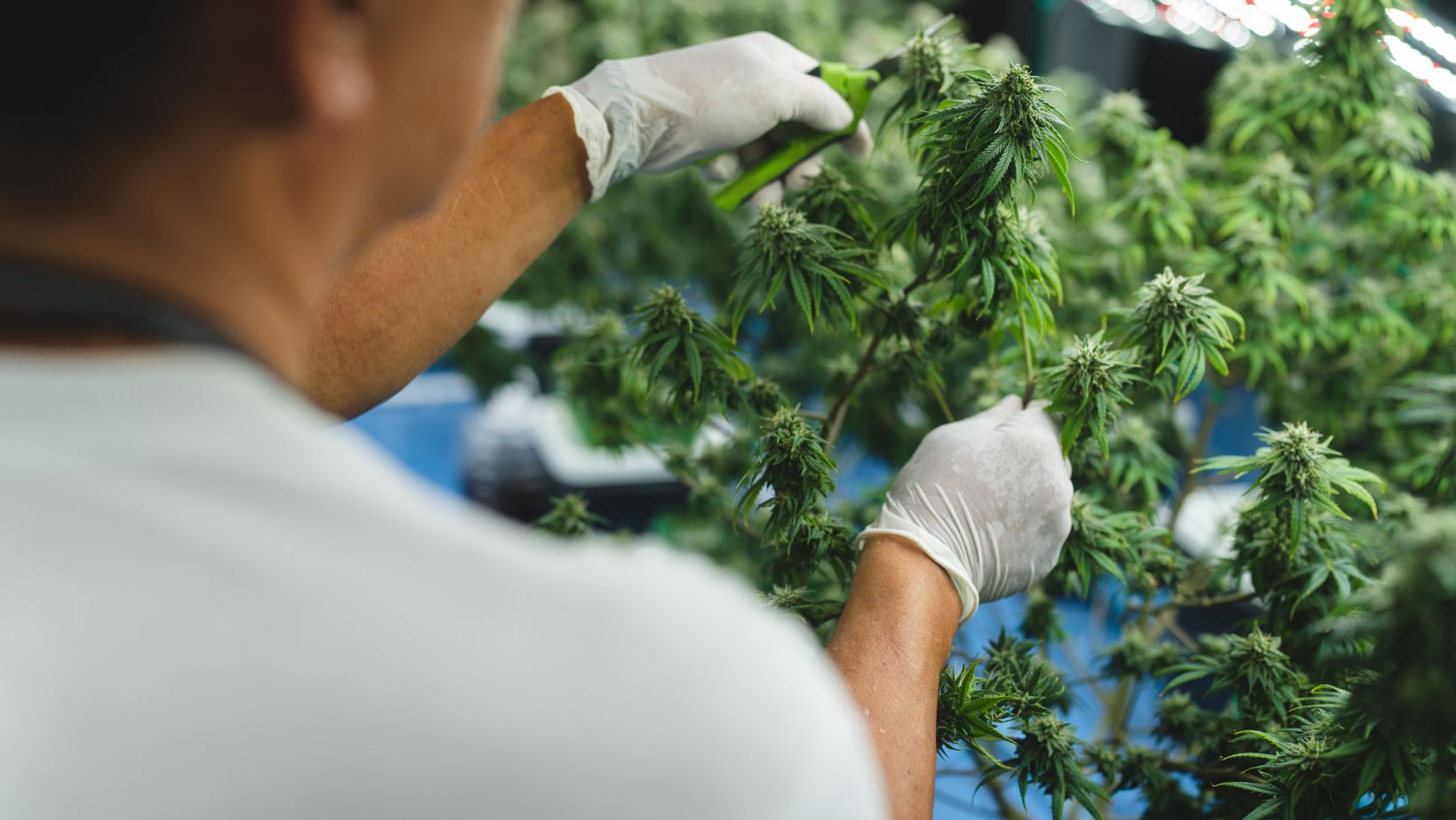
- THCa provider offers this chemical compound in a variety of forms, including flower, concentrates, shakes, edibles, and more. You can consume THCa through food, vaporization, smoking, topical application, etc. For example, wellness enthusiasts make THCa juice from fresh marijuana plants or add the flowers to drinks and food.
So, which THCA consumption method should you choose? If you need an immediate effect to relieve severe pain, choose smoking or vaporizing cannabis. If you’re seeking a prolonged effect, you can make edibles with THCa flowers.
The Bottom Line
Health-conscious people are seeking the most effective natural remedies to support their well-being. The exceptional therapeutic qualities of marijuana have long attracted the attention of both researchers and drug manufacturers. However, the psychoactive nature of THC has hampered its expanded use for the treatment of many ailments. With the intensification of THCa research, this challenge has been overcome, as this chemical compound has even greater therapeutic potential while remaining non-toxic and non-psychoactive.
Today, THCa is becoming more firmly established in the practices of people concerned about their wellness. They use THCa-based products to relieve chronic pain, protect brain cells, treat inflammatory diseases, and more. Even with synthetic alternatives, they choose natural THCa because cannabis affects not only their body but also their mind and spirit, resulting in the holistic effect of THCa consumption.


