


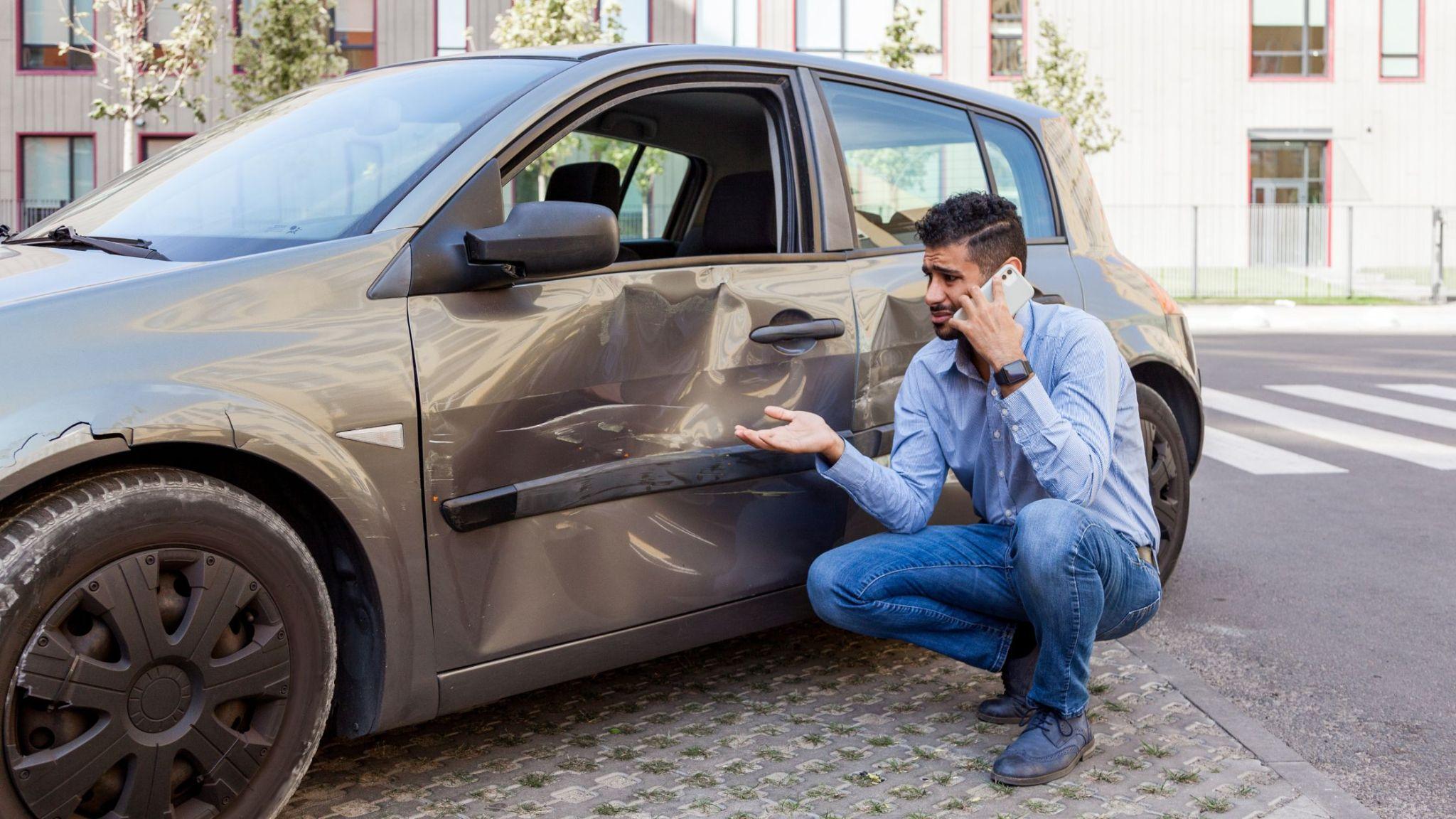
A car can suffer visible damage after a minor collision and still seem perfectly capable of moving. That situation often leaves drivers unsure about whether to keep using the vehicle, arrange repairs immediately, or start an insurance claim first.
The right response is usually a careful combination of safety checks, timely insurer communication, inspection, and authorised repair. Understanding how the claim process works helps you protect the vehicle, avoid unnecessary complications, and make informed decisions without rushing into repairs.
Report the Damage to Your Insurer
Once the immediate situation is under control, inform your insurer about the damage as soon as reasonably possible. Even when the car remains drivable, early intimation helps create a clear claim record under your car insurance policy and allows the insurer to explain the next steps.
Get the Car Inspected and Damage Assessed
The insurer may arrange an inspection or ask for an assessment before repairs begin. This step helps establish the nature and extent of the damage and supports a fair review of the claim. Avoid authorising major repair work until the required assessment is completed.
Continue Driving Only if It Is Safe
A vehicle that starts and moves is not automatically safe to drive. Damage to lights, tyres, steering, suspension, mirrors, windscreens, or body panels can affect roadworthiness even when the engine appears normal. Safety should take priority over convenience.
Choose Cashless or Reimbursement Repair
Depending on the insurer and garage arrangement, repairs may be handled through a cashless facility or a reimbursement claim. Both routes can be suitable, but the documentation and payment flow may differ. Review the options available under your policy before selecting a repair route.
Get the Repairs Approved under Your Policy
Repair approval depends on the damage assessment, policy coverage, submitted documents, and applicable terms. The insurer may review the estimate before confirming which items can be considered under the claim. Waiting for this stage can prevent confusion later.
Pay the Deductible and Non-covered Costs
A settled motor claim may still require the policyholder to bear amounts. Deductibles, depreciation where applicable, and repair items outside the approved claim can affect what you pay personally. The final amount depends on the policy and the assessed repair.
Complete the Repairs at a Garage
Once the insurer approves the repair process, the garage can carry out work. Even for a car that was drivable after the incident, proper repairs help restore safe function, appearance, and usability. Stay informed while the vehicle is being repaired.
Close the Claim after the Insurer Pays
The claim is completed after repairs, document submission, and settlement of the approved amount. In a cashless claim, the insurer typically settles the eligible portion directly with the network garage. In a reimbursement claim, payment is made to the policyholder after review.
Conclusion
A damaged but drivable car still deserves the same careful claim handling as a vehicle that cannot move. Driving condition alone does not determine whether repairs are necessary or whether a claim should be reported. The practical approach is to inform the insurer, arrange an assessment, confirm that the vehicle is safe, follow the approved repair route, and retain the relevant records. Since claim decisions depend on policy terms and the circumstances of damage, always follow the insurer’s specific instructions.

