


Artificial Intelligence (AI) is changing the way websites are built and managed. What once took weeks of manual work can now be done in hours using smart tools. In web design, AI is not just a helpful assistant; it’s becoming a creative partner that helps designers and developers create beautiful, fast, and user-friendly websites.
Today, AI is used to generate design layouts, write code, test performance, and even improve SEO. It’s shaping a new era where creativity meets data-driven decision-making.
Whether you’re a designer, developer, or small business owner, understanding how AI influences modern web design and development can help you build smarter websites that stand out in a crowded digital world.
AI’s Role in Web Design & Development
AI refers to software systems that can analyze data, learn patterns, and make decisions without constant human input. In web development, it plays a growing role by automating tasks that once required long hours of coding and manual review.
AI systems can now suggest layout options, recommend the best color contrast for readability, and even optimize website performance in real-time. This shift allows teams to concentrate more on strategy and creativity rather than repetitive tasks.
For small businesses, AI helps bridge the skill gap. You no longer need a full technical team to create a functional and visually appealing website. AI-based platforms and website builders do much of the heavy lifting, giving every business a fair chance to compete online.
AI Tools Reshaping Modern Web Design
The rise of AI-driven design tools has transformed the way web designers approach projects. Tools like AI-powered layout generators can analyze your content and automatically suggest templates that suit your goals. They can also select matching colors, optimize image placements, and create balanced designs that attract attention.
These tools analyze thousands of successful websites to understand what users respond to most. As a result, they can generate data-backed suggestions that improve user engagement. For instance, AI can test how people interact with your homepage and adjust button positions or font sizes to improve conversions.
Another major advantage is design consistency. AI can ensure that spacing, color, and typography stay uniform across every page. This helps businesses maintain a strong brand identity without requiring advanced design skills.
Accessibility is also a key focus. Many AI design tools automatically check contrast ratios, font readability, and image descriptions to make websites usable for all audiences. This ensures your web design meets user needs and accessibility standards.
AI in Web Development: Smarter Coding & Automation
When we discuss AI in web development, you’ll notice that automation is the biggest game-changer. Developers now use intelligent coding assistants to help write, review, and debug code. These assistants learn from existing projects and suggest real-time improvements, reducing errors and speeding up production.
For example, AI-based tools such as code analyzers can detect security vulnerabilities or performance issues before deployment. They can also predict the most efficient way to structure code, which results in cleaner, faster websites.
AI-driven testing frameworks automatically simulate user interactions, assisting developers in finding broken links or slow-loading elements before launch. This makes the development process more reliable and reduces post-launch issues.
Also, with AI managing repetitive coding and testing tasks, developers have more time to focus on creating unique features, better user interfaces, and smarter backend systems. This blend of automation and creativity makes web development more efficient than ever before.
Enhancing User Experience Through AI
A great user experience (UX) keeps visitors engaged, and AI now plays a huge role in improving it. Modern websites use AI to analyze visitor behavior, including what they click, how long they stay, and which pages they ignore. This helps website owners to understand what users really want.
Based on this data, AI tools can personalize each visitor’s experience. For example, an ecommerce store might show different items to different users based on their browsing history. Similarly, content websites can recommend articles or videos that match the visitor’s interests.
AI-driven chatbots also make websites more interactive. Instead of waiting for a human response, visitors can receive instant replies to common questions through smart chat interfaces. These bots can even collect user feedback or guide visitors to the right product or page.
On the design side, AI can automatically adapt layouts and visual elements based on user behavior. For instance, it can rearrange menus for mobile users or adjust image sizes for slower connections. This flexibility ensures that every visitor enjoys a seamless experience, no matter their device or location.
Through these improvements, AI ensures web design is more dynamic, user-focused, and result-driven.
SEO, Performance, & Content Optimization
Design and development are only part of a website’s success. For real results, you also need strong SEO and performance optimization, and that’s where AI shines again.
AI-powered SEO platforms can analyze keywords, track competitors, and identify ranking opportunities in real-time. They also help you write SEO-friendly titles, meta descriptions, and headings that align with user intent.
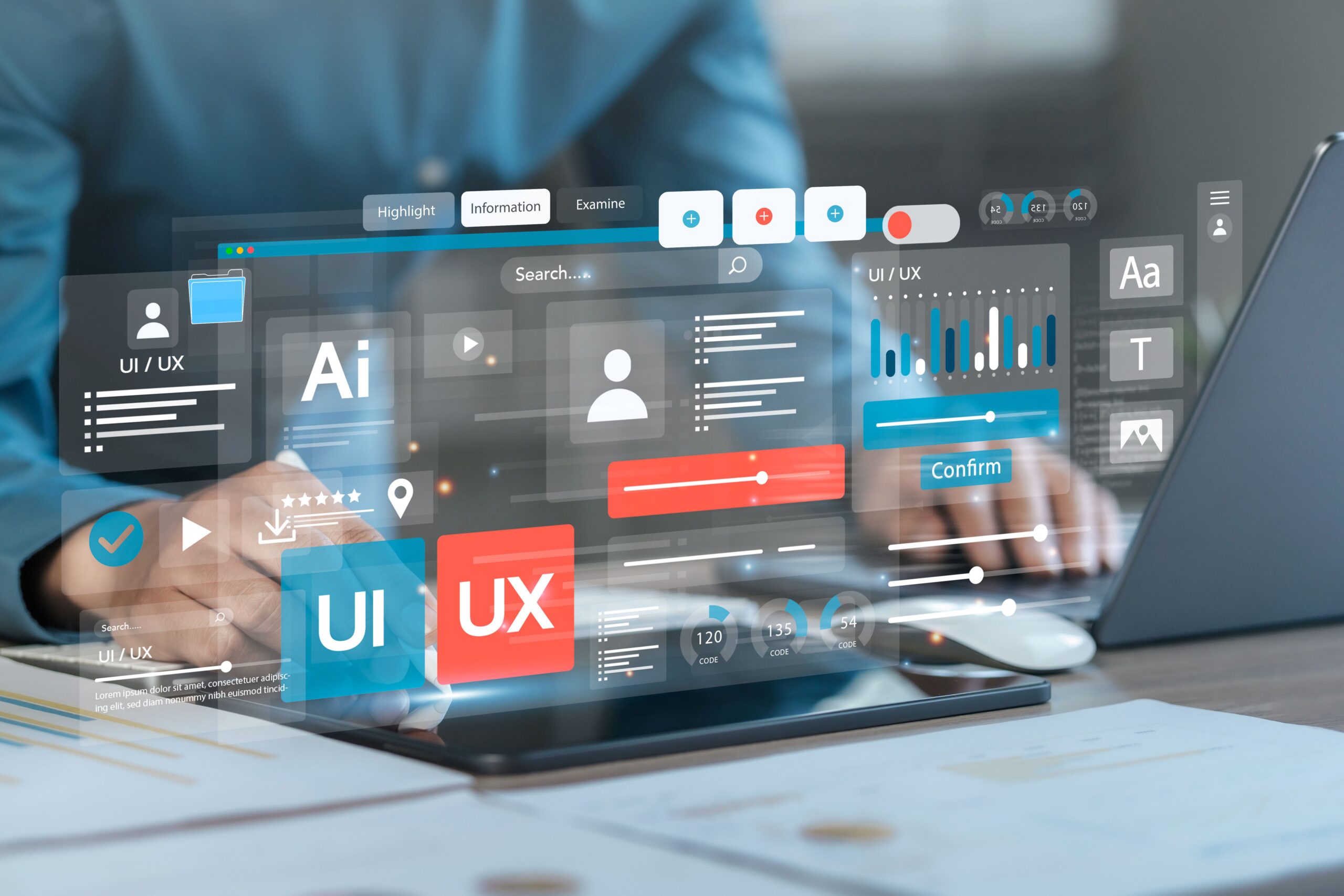
Performance-wise, AI continuously monitors site loading speeds and user interactions. It can compress images automatically, remove unused scripts, and suggest layout changes to improve mobile performance.
Content optimization is another area where AI assists. It can study your audience’s preferences and recommend topics that attract more organic traffic. When launching a new website, you can even find the perfect domain name with AI. These tools analyze trends, keyword demand, and availability to suggest domain names that match your brand identity and target audience.
Altogether, AI improves the technical, creative, and strategic sides of website building, helping businesses stay visible and competitive online.
Challenges & Considerations When Using AI
While AI offers many benefits, it’s not a one-size-fits-all solution. Automation can never fully replace human creativity or judgment. Sometimes, AI-generated designs might look generic or lack emotional depth. That’s why human input remains essential for originality and storytelling.
Data privacy is another concern. Since AI systems learn from user data, businesses must ensure that personal information is collected and used responsibly. Choosing trusted tools with strong security policies helps reduce risks.
Lastly, while AI tools can reduce costs in the long term, initial setup or premium features might be expensive for small startups. Planning and budgeting carefully ensures that AI tools deliver value without overspending.
Future of AI in Web Design & Development
The AI’s future in digital creation looks promising. We’re already seeing experiments with AI that can build complete websites from a short text prompt. Voice-based design tools are also available, where you describe what you want, and the AI generates the layout in seconds.
In the coming years, predictive design is likely to become standard. This means your website could automatically adjust its layout, content, and visuals based on user preferences and context. Developers may use AI systems that handle security updates and performance optimizations in the background without human assistance.
For designers and developers, these changes open the door to faster workflows and limitless creativity. For business owners, embracing AI early ensures that their websites stay modern, secure, and efficient.
The combination of intelligent systems and human creativity will define the next generation of web design and development.
Conclusion
AI is redefining how websites are imagined, built, and maintained. It brings together creativity, automation, and data to produce high-performing websites that meet the requirements of both users and businesses. From layout design to SEO, AI improves every stage of the process, saving time and delivering measurable results.
Whether you’re designing your first website or upgrading an existing one, exploring AI-driven tools is no longer optional – it is essential for growth. By welcoming web design powered by AI and combining it with human creativity, you can create smarter, faster, and more engaging digital experiences that stand out in today’s online world.


