




In a world where energy bills seem to climb higher than the latest blockbuster movie releases, inverter technology swoops in like a superhero ready to save the day. If you’ve ever wondered how to maximize efficiency without draining your bank account, you’re in the right place. Trust us, this isn’t your average tech talk. Get ready to jump into the intriguing realm of inverter technology and discover how it’s transforming our approach to energy consumption. Spoiler alert: It’s cooler than your last gadget.
Inverter Technology
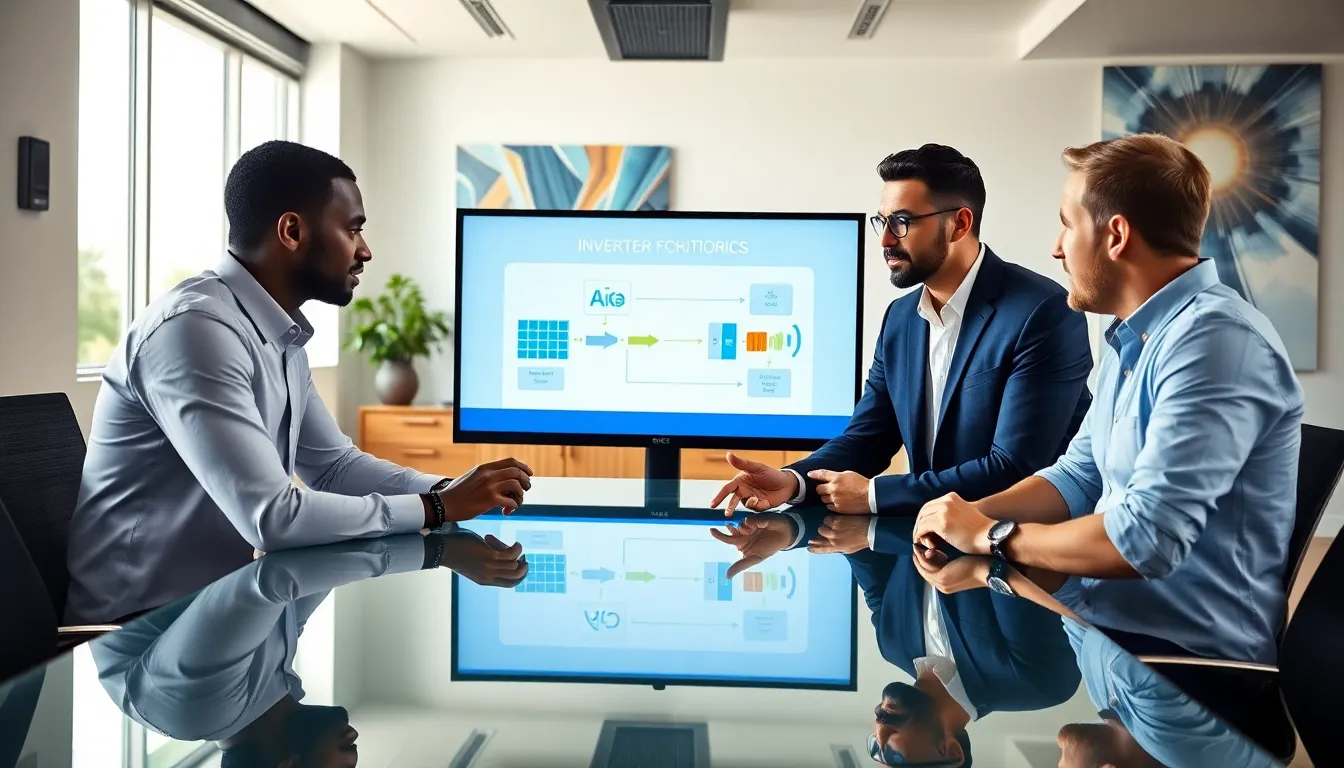
At its core, inverter technology refers to the process of converting direct current (DC) into alternating current (AC). It’s not just a fancy term thrown around in tech circles: this technology is central to many electrical devices we rely on daily. These devices include everything from solar panel systems to air conditioners and even electric vehicles. By seamlessly converting and managing electricity, inverter technology helps us harness energy more effectively, ensuring that we use only what we need, when we need it.
How Does Inverter Technology Work?
Understanding how inverter technology works requires a glimpse into the magic behind the scenes. Think of it as a traffic control system for electrical currents. Inverters take the DC electricity generated by solar panels or batteries and transform it into AC electricity, which is the standard used in homes and businesses.
Essentially, the inverter uses a series of switches and circuits to choreograph the electrical dance, altering the voltage and current to suit specific needs. Without getting too technical, it’s like a DJ remixing a track to cater to the crowd. By ensuring that electrical flow is stable and efficient, inverters help prevent energy wastage.
Types of Inverter Technology
Diving into the world of inverter technology reveals a range of types, each serving a unique purpose. Here are the most common:
- String Inverters: These are the workhorses of solar energy systems, connecting multiple solar panels together. They convert the DC electricity from the panels into AC electricity efficiently and cost-effectively.
- Microinverters: For those looking to optimize efficiency at the panel level, microinverters are a solid choice. Each panel has its own inverter, allowing for maximum energy production regardless of shade or orientation.
- Power Optimizers: Similar to microinverters, power optimizers enhance the output of each solar panel but work in tandem with string inverters. This combination offers a middle ground between cost and efficiency.
- Grid-Tie Inverters: These nifty devices connect solar energy systems to the electrical grid, allowing excess energy to be sent back, which can lead to credits on energy bills.
- Off-Grid Inverters: Perfect for remote areas, off-grid inverters generate AC electricity from DC sources without depending on the public grid, making them ideal for energy independence.
Each type caters to different energy needs and applications, ensuring there’s always an inverter suited to specific requirements.
Benefits of Using Inverter Technology
The perks of adopting inverter technology extend far beyond just energy conversion. Here’s why it’s worth jumping on the inverter bandwagon:
- Energy Efficiency: Inverters optimize energy usage, reducing waste, which eventually saves money on energy bills.
- Environmental Impact: By maximizing the use of renewable energy sources, such as solar power, inverters play a critical role in reducing carbon footprints.
- Versatility: They can be incorporated into various systems, from home appliances to large industrial applications, showcasing remarkable adaptability.
- Cost Savings: With the potential for lower utility bills and the opportunity to sell excess energy back to the grid, inverter technology translates to significant savings over time.
- Enhanced Performance: Inverters monitor performance and make adjustments in real time, ensuring optimal efficiency and prolonged equipment life.
In short, embracing inverter technology is not just smart: it’s a step towards a sustainable future.
Applications of Inverter Technology
Inverter technology has found its way into various fields, revolutionizing how we approach energy consumption. Here are some notable applications:
- Solar Energy Systems: The most popular application, inverters are essential for converting solar power into usable electricity for homes and businesses.
- Electric Vehicles (EVs): Inverters play a critical role in converting the DC electricity from batteries into AC power to drive the electric motor.
- Heating, Ventilation, and Air Conditioning (HVAC): Modern HVAC systems use variable speed inverters to adjust the compressor speed, ensuring optimal energy usage and comfort.
- Industrial Equipment: From controlling conveyor belts to heavy machinery, inverters help regulate motor functions and improve energy efficiency in manufacturing processes.
- Consumer Electronics: Many household gadgets, such as microwaves and refrigerators, use inverter technology to enhance efficiency and performance.
Clearly, inverter technology is not just limited to one sphere: its versatility makes it a game-changer across multiple industries.
Future Trends in Inverter Technology
The future of inverter technology looks bright, with several trends shaping its evolution:
- Integration with Smart Grids: As cities become smarter, the merging of inverter technology with smart grids will optimize energy distribution and consumption.
- Increased Efficiency: Continuous advancements will lead to the development of more efficient inverters, reducing energy losses even further.
- Energy Storage Solutions: The rising popularity of battery storage systems will see inverters playing an integral role in managing and distributing stored energy effectively.
- Artificial Intelligence (AI): AI will enhance the monitoring capabilities of inverters, making real-time adjustments to improve efficiency based on consumption patterns.
- Sustainability Focus: The shift towards cleaner energy solutions will spur innovation, promoting inverters that integrate seamlessly with renewable sources.
As the world leans more towards sustainability, inverter technology is poised to remain a cornerstone of energy solutions.